
Where are you in your diving journey?
Pick the path that fits you and jump straight to the right courses.
Military & First Responders save 10% on every course — use code HEROES10 at checkout and show your ID at your first session. Program details →
Start Here: Core Classes for New Divers
Brand new to the water? These entry-level programs introduce you to scuba diving safely and at your own pace, from your very first breath underwater to your first full certification.
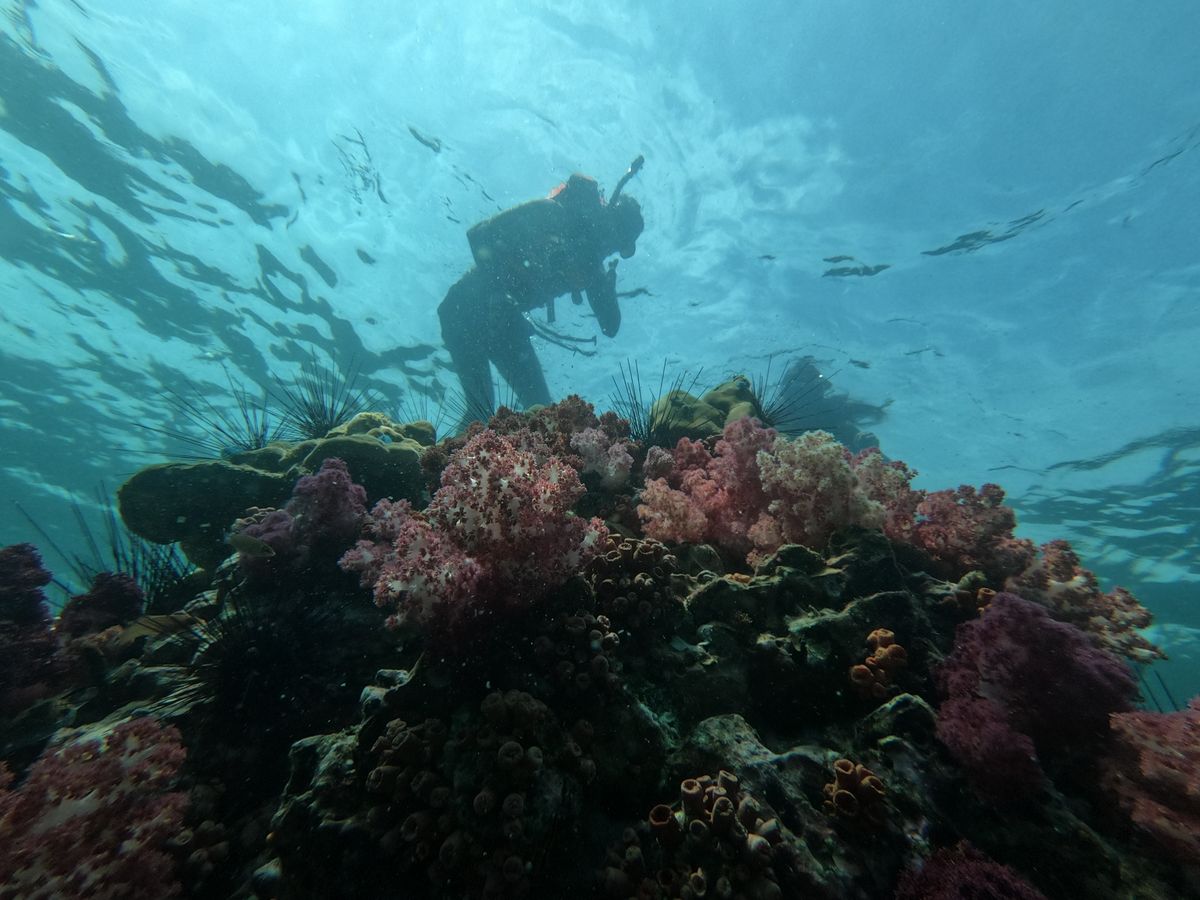
An easy, guided first-dive experience for anyone curious about scuba. With a professional right beside you, you’ll get comfortable with the basics of your gear, learn how it all works, and then enjoy a calm, supervised descent into the underwater world – no prior experience or certification required. It’s the perfect way to try scuba for the first time and discover whether diving is for you before committing to a full course. Optional free eLearning lets you explore the fundamentals from home before you ever get wet, so you arrive ready to relax and simply enjoy the experience.
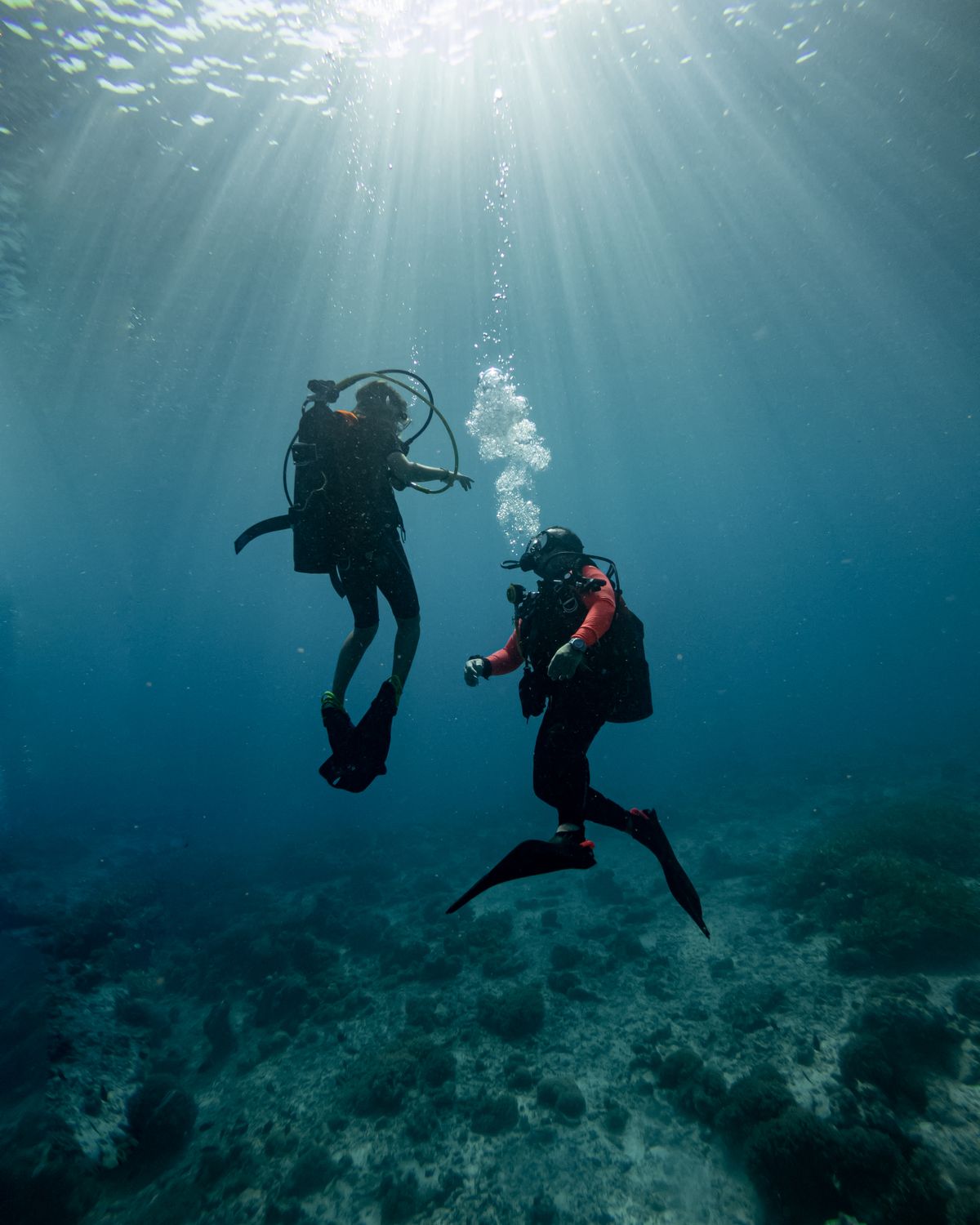
Your first full certification and your passport to dive the globe. You’ll learn the fundamentals online at your own pace, build core skills in the confined-water sessions of a pool, and then put it all together on open-water training dives with an instructor. Along the way you’ll master essential techniques, from clearing your mask and managing your buoyancy to planning a dive and looking out for your buddy. Once certified, graduates can dive independently with a buddy of equal or greater certification within recreational limits, no supervision required. It’s open to divers 18 and older, and to ages 10 to 17 with written parental consent — divers aged 10 to 14 earn a Junior Open Water Scuba Diver certification and can upgrade to the full certification at 15. It opens the door to a lifetime of diving and continuing education.
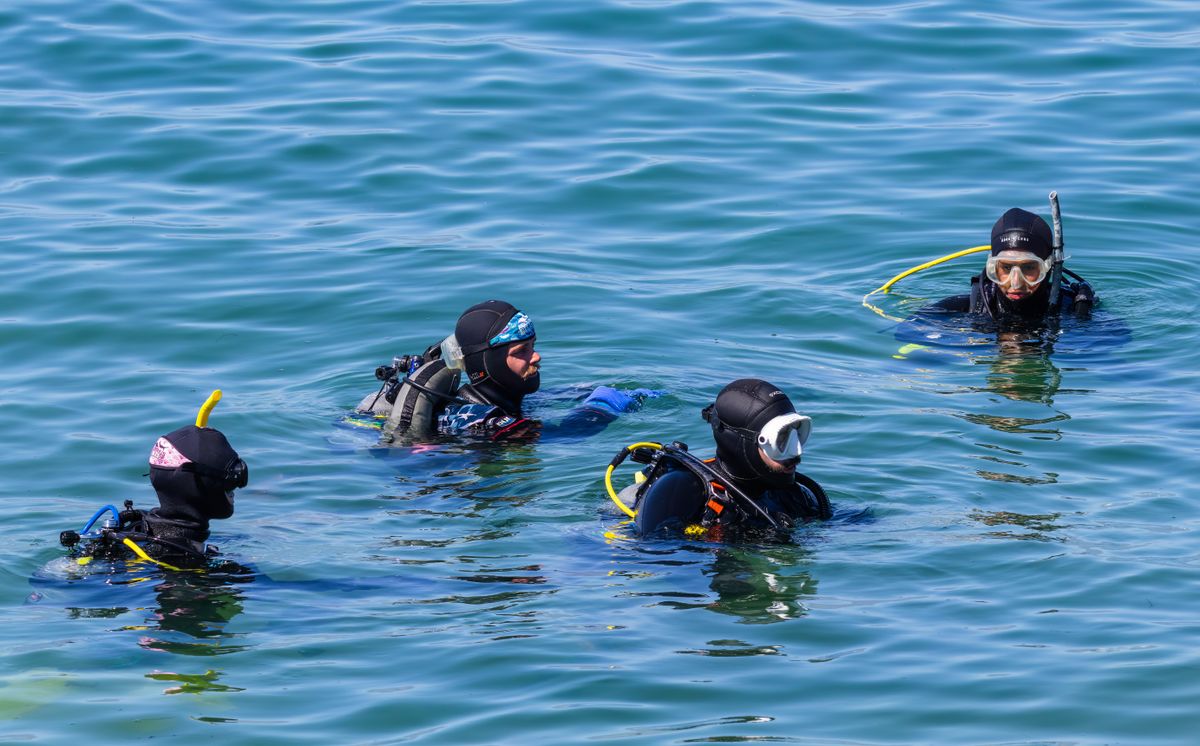
Designed to update and review the knowledge and skills of divers who have been out of the water for a while, so you can get back to diving safely and with confidence. Whether it’s been a few months or a few years, this program refreshes the essentials at a comfortable pace. It includes a knowledge review to sharpen your understanding of dive theory and procedures, plus at least one in-water training dive to rebuild your comfort, buoyancy and core skills under the guidance of a professional. It’s the perfect way to shake off the rust before a big trip, and it can serve as a springboard back into regular diving or straight into continuing education.
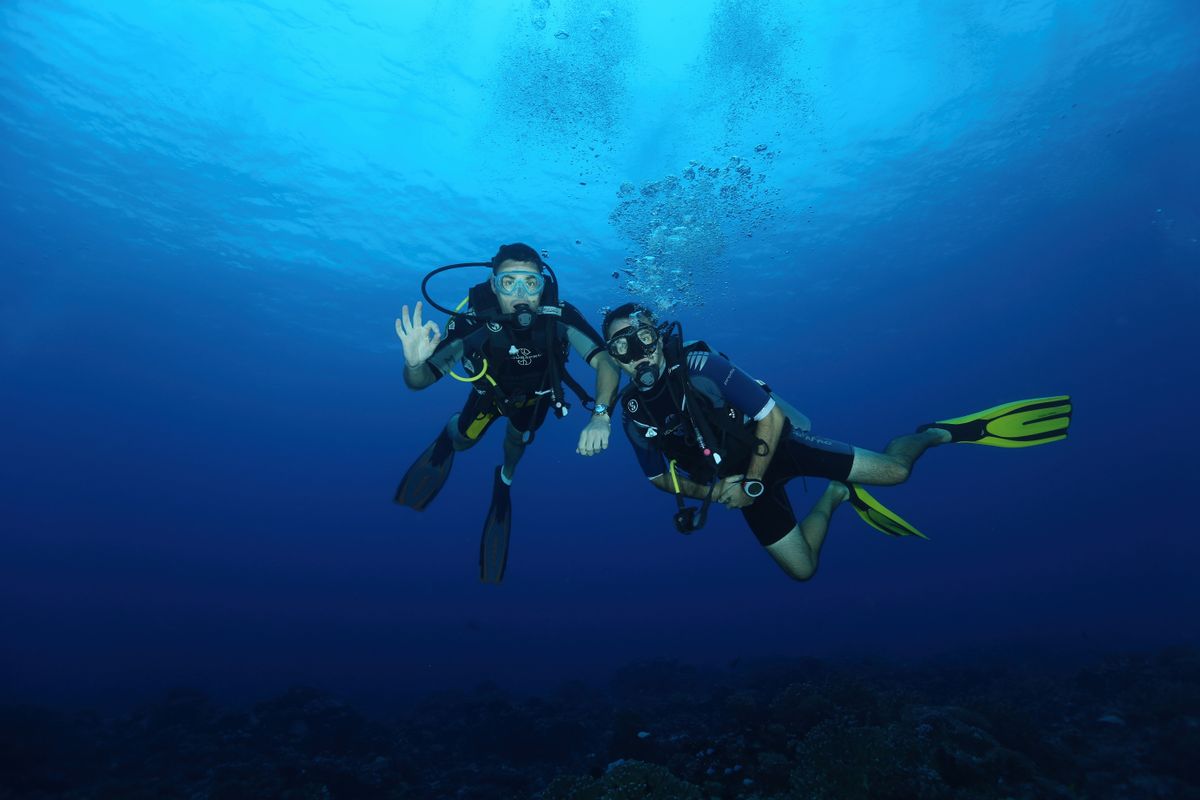
Not ready to commit to the full Open Water course all at once? This program covers the same subjects and skills with abbreviated in-water training, allowing you to dive under the direct supervision of a dive professional for up to 12 months. It’s an ideal option for travelers who want to get in the water quickly or new divers who prefer to ease into certification at their own pace. You’ll build real, transferable diving skills from the start, and the training you complete counts toward your full certification. Simply complete two more checkout dives anytime within that window to finish your Open Water Scuba Diver certification and dive independently with a buddy.
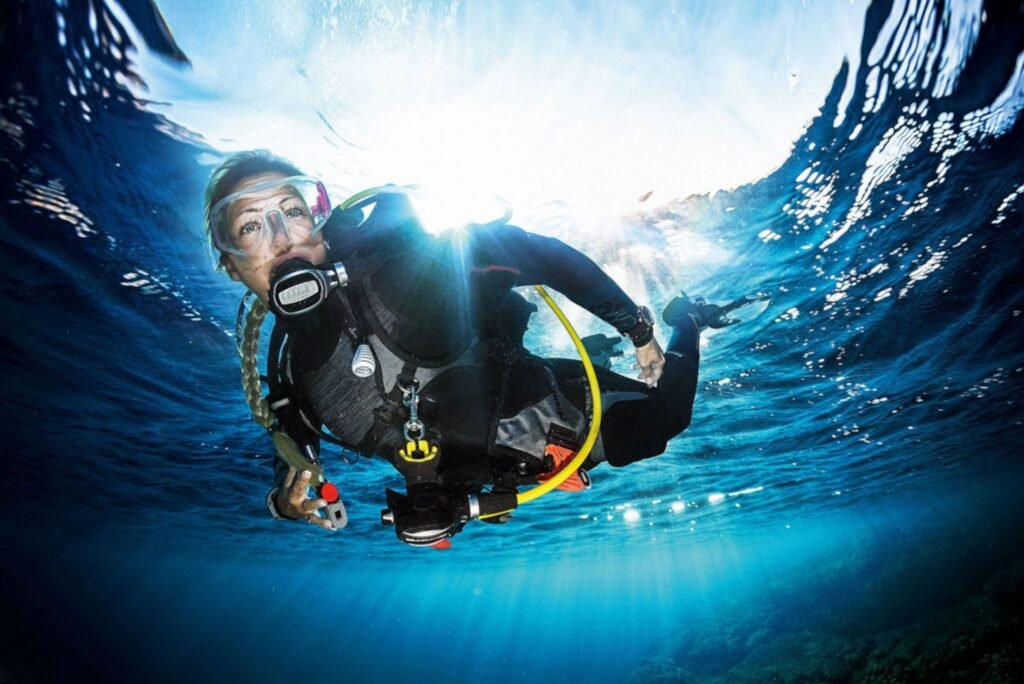
An entry-level certification built specifically around shallow water scuba systems rather than conventional dive equipment. It gives you the knowledge and skills to safely plan and conduct dives in conditions similar to those in your training, within shallow depth limits and without direct instructor supervision once certified. You’ll learn how your shallow water system works, how to care for it, and how to handle common situations so you can enjoy relaxed, confidence-building dives. Keep in mind this course is specific to shallow water systems and is a great fit for warm, clear, shallow environments; if you plan to use conventional scuba gear or dive deeper, the Open Water Scuba Diver course is the better path.
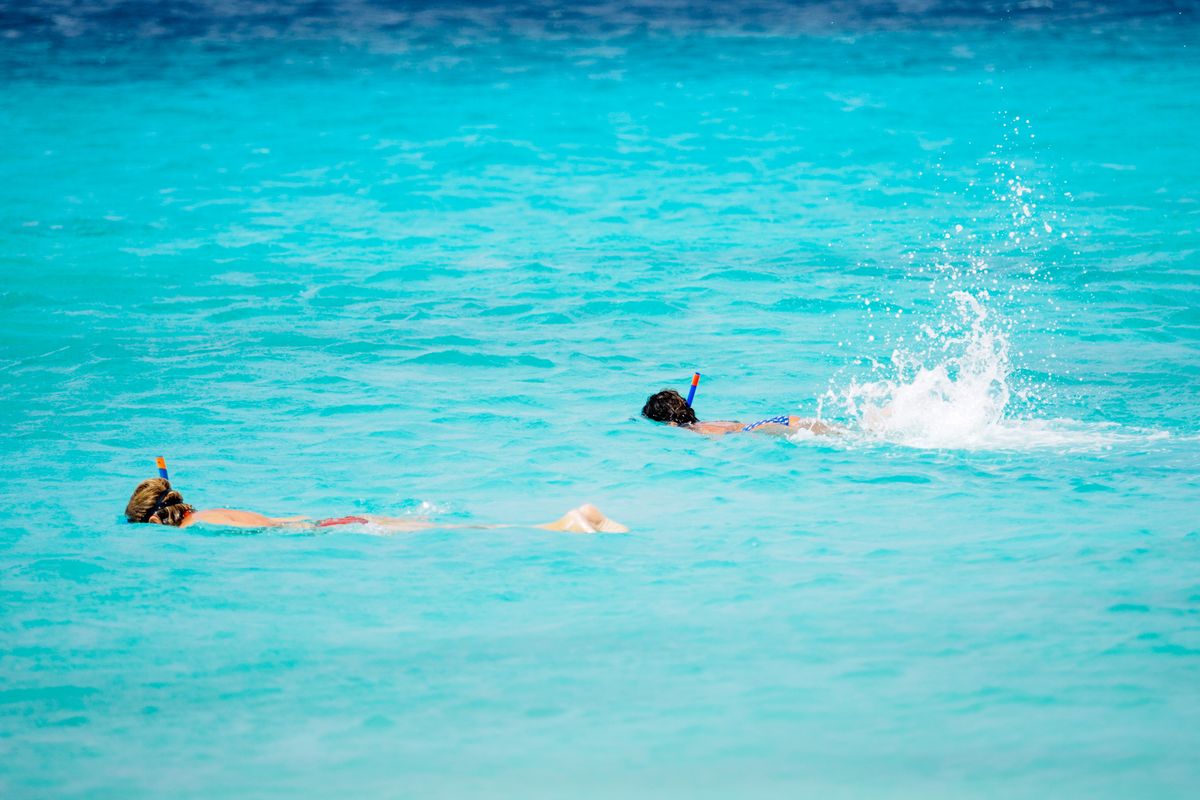
A fun, confidence-building introduction to scuba for children ages 8 to 12, conducted in a pool or confined water no deeper than about 6 metres/20 feet under the direct supervision of a dive professional. Through play and guided practice, young divers try breathing underwater for the first time, get familiar with basic scuba gear, and learn simple skills in a safe, controlled environment. It’s designed to spark a lifelong love of the underwater world while laying the groundwork for future certifications as they grow. Parents can watch their kids take their very first breaths underwater and share in the excitement of a whole new adventure.
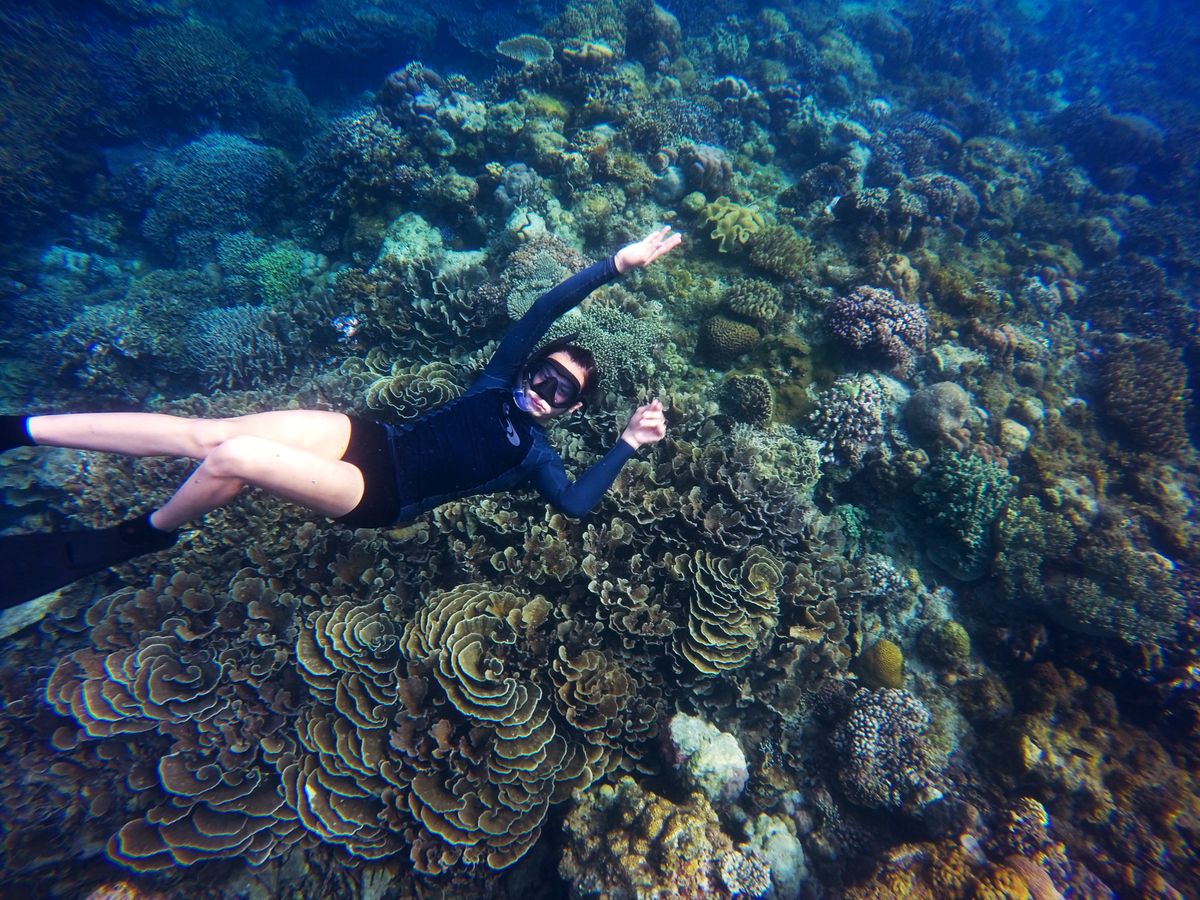
An introduction to exploring the underwater world from the surface, perfect for the whole family and a great first step into the water. You’ll learn to use a mask, snorkel and fins efficiently, practice essential surface skills, and develop relaxed, effective breathing so you can move comfortably and conserve energy. Along the way you’ll build the confidence and safe habits that make time in the water enjoyable, whether you’re floating over a shallow reef or watching marine life from above. It’s an ideal springboard toward scuba or freediving, and free online training helps you get started before you even reach the water.
Level Up: Certifications for Certified Divers
Already certified and looking to go further? These programs build on your Open Water foundation, developing the comfort, skills and leadership needed to take on more challenging and rewarding dives.
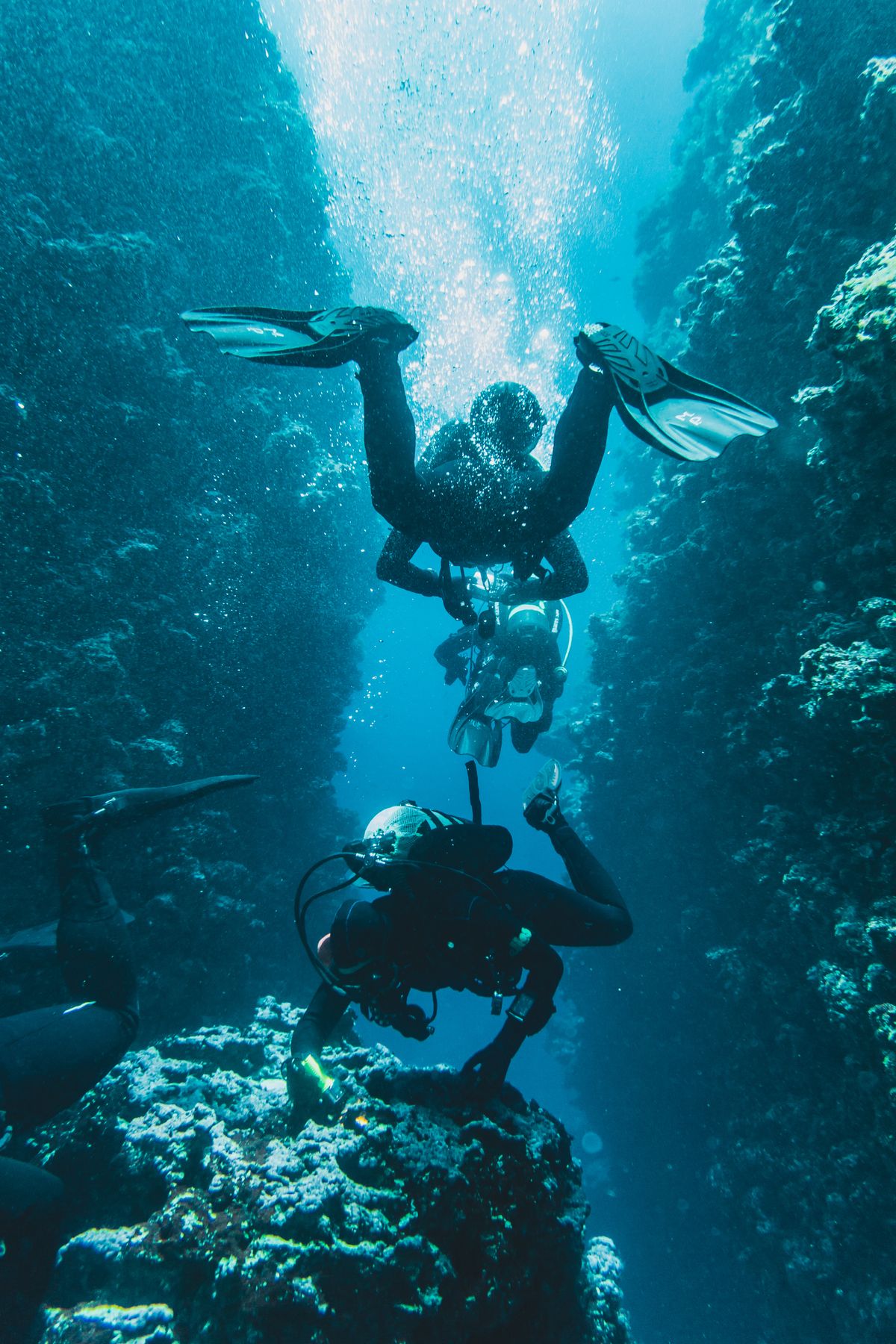
A great next step after Open Water that gives you a real taste of five different SDI specialties, including the foundational Deep Diver and Underwater Navigation experiences. Rather than committing to a full specialty up front, you’ll sample each one through a single adventure dive, expanding your skills and discovering which types of diving you enjoy most. It’s an efficient, fun way to become a more capable, well-rounded diver while gaining supervised experience across a variety of environments and conditions. Best of all, each specialty dive you complete can later count toward the full certification in that specialty, so you get a head start on your continuing education.
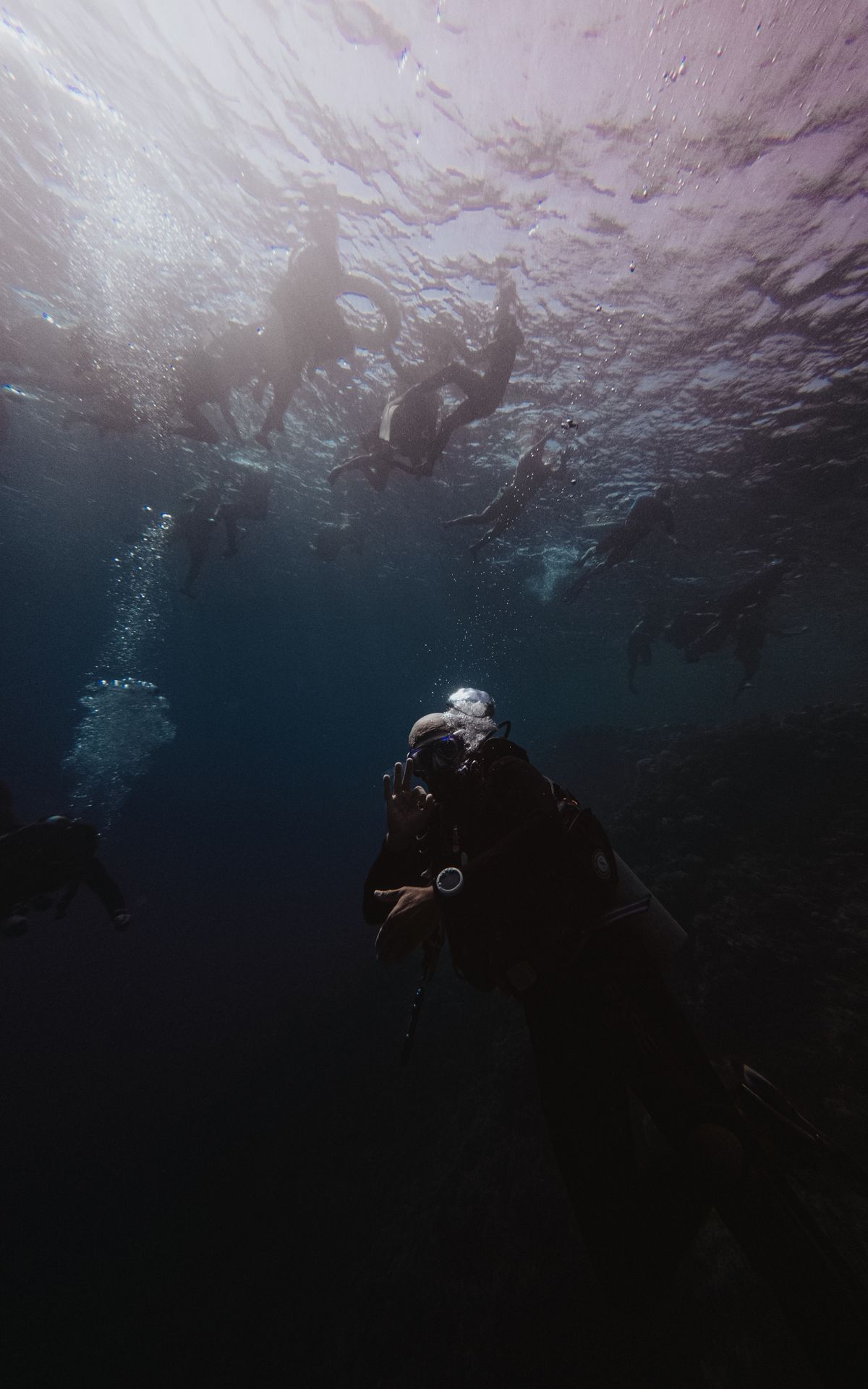
A program that transitions divers from novice to advanced by completing four SDI, TDI or ERDI specialty courses of your choice, giving you the freedom to build a certification around the diving you love most. As you work through your chosen specialties, you’ll deepen your comfort and competence across a wide range of diving environments, from deeper water and wrecks to night dives, navigation, buoyancy and beyond. The result is a diver who is more confident, more capable and better prepared to handle varied conditions safely and independently. Because you select the specialties yourself, no two Advanced Diver paths look quite the same, and the experience you gain sets the stage perfectly for the Rescue Diver course and future leadership roles. It’s the ideal way to keep growing as a diver while tailoring your training to your own interests and goals.
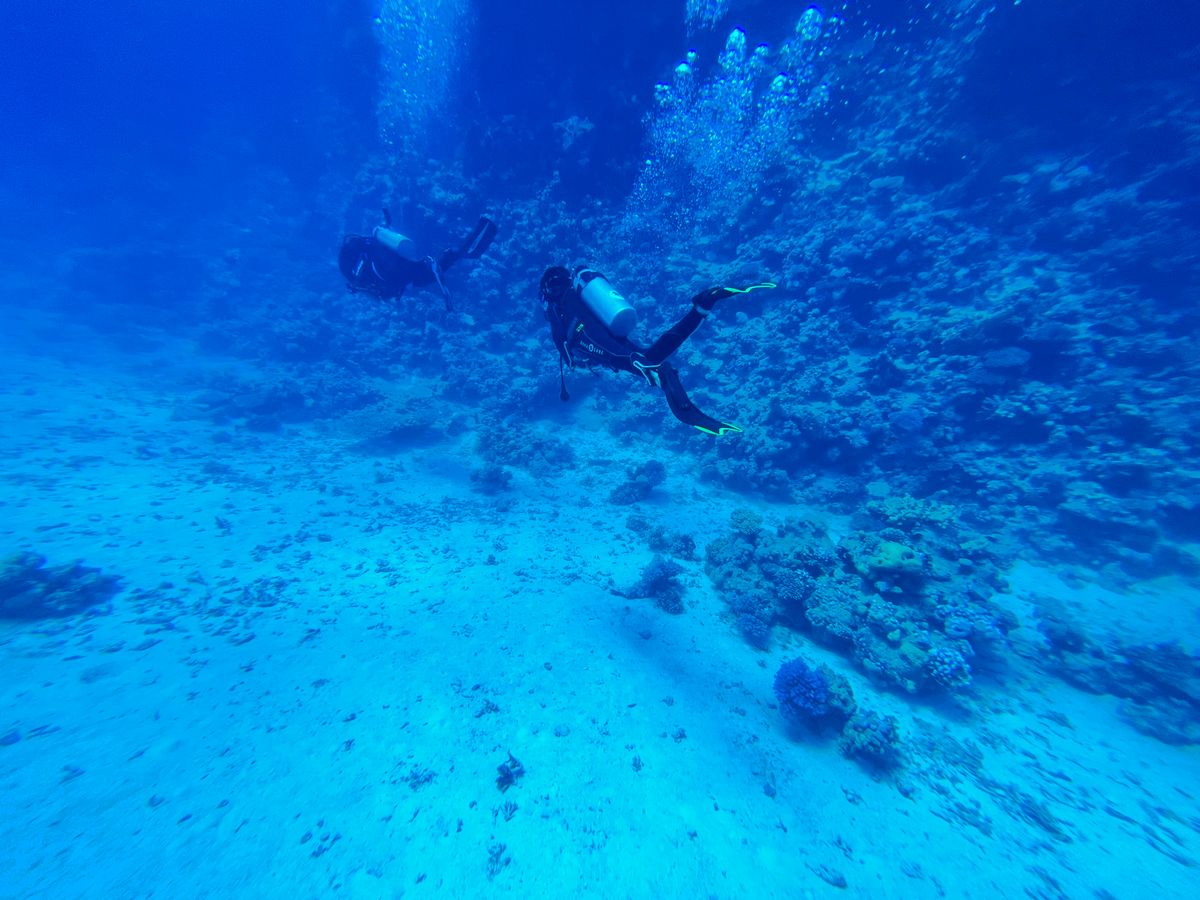
A recognition of your commitment to diving that celebrates the experience and specialty training you’ve earned along the way. This rating acknowledges divers who have expanded their skills across multiple specialties and logged meaningful time underwater, marking you as a genuinely well-rounded, experienced diver. It’s a natural milestone on the path between Advanced Diver and the leadership-focused Master Scuba Diver rating, giving you a clear goal to work toward as you continue your education. Reaching it reflects not just the courses you’ve completed, but the confidence, competence and love of diving you’ve developed with every dive.
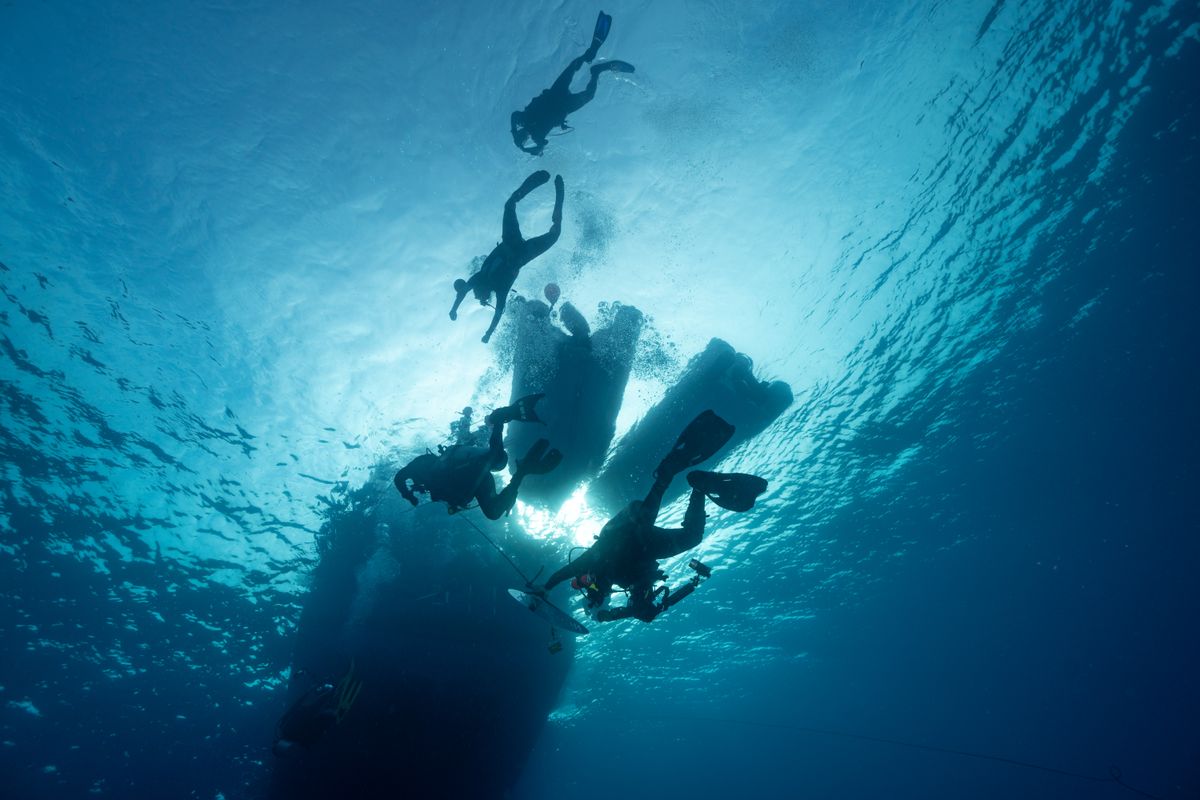
Where adventure meets responsibility, and one of the most rewarding courses you’ll ever take. You’ll develop the crucial skills to prevent, recognize and manage dive emergencies, from self-rescue techniques and stress awareness to assisting other divers, handling panic situations and responding to an unresponsive diver at the surface and underwater. The course sharpens your judgment and situational awareness, making you a safer, more confident diver and a genuine asset to any buddy team. Prerequisites include current CPR and first aid training so you’re prepared to act when it counts. Challenging and confidence-building in equal measure, Rescue Diver is a key stepping stone toward the Master Scuba Diver rating and professional-level training such as Divemaster.
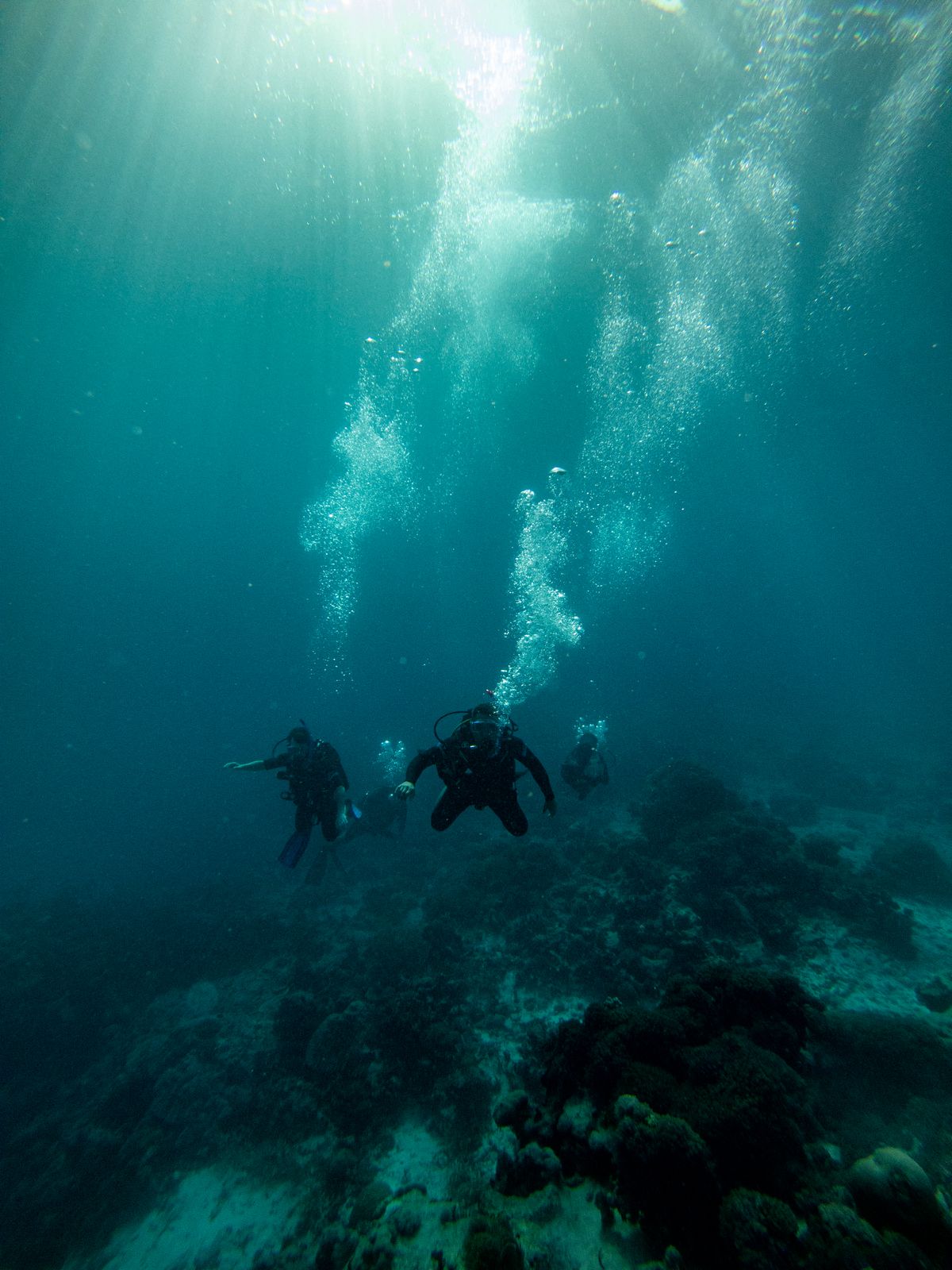
The highest non-professional rating in recreational diving and a mark of true diving experience. Earning it shows you’ve gone well beyond the basics, combining your Rescue Diver certification with a range of specialty courses and a solid number of logged dives. It recognizes divers who have invested the time to become genuinely skilled, versatile and comfortable across many different types of diving. More than just a card, Master Scuba Diver is a respected achievement that reflects your dedication to the sport, and it’s the perfect capstone before deciding whether to cross over into professional-level training.
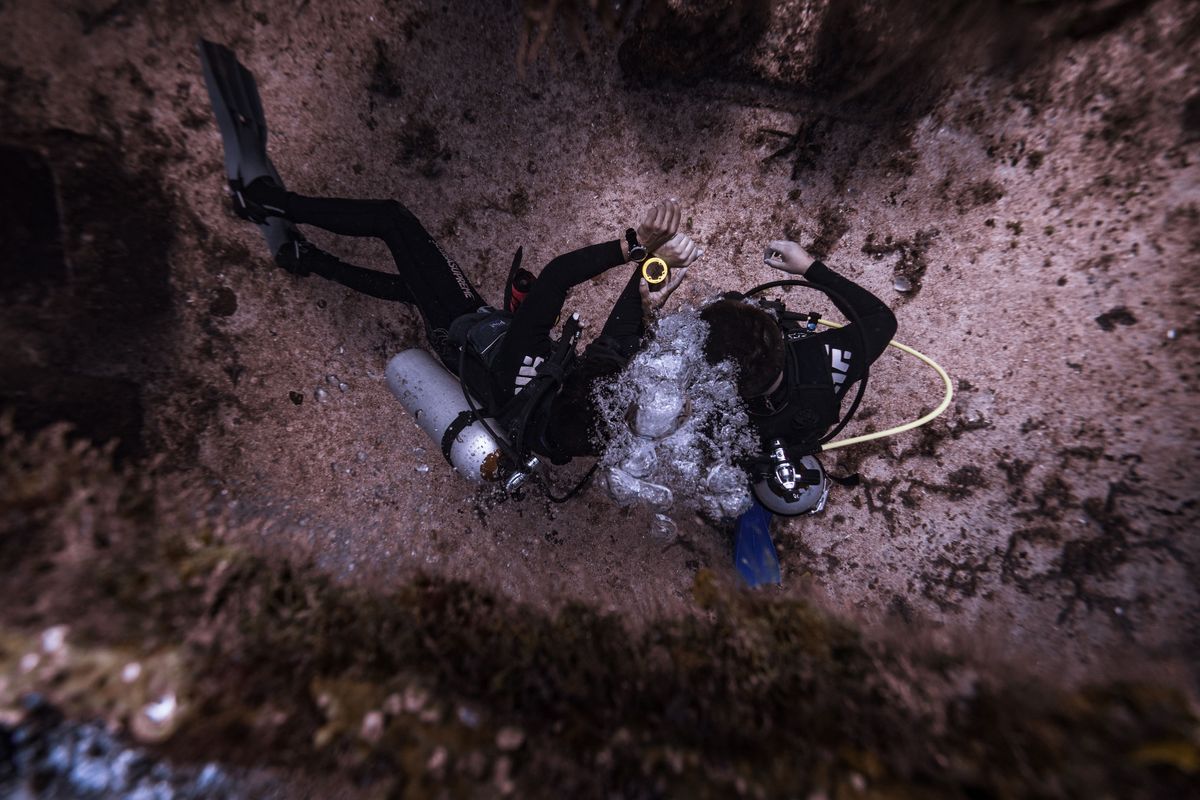
Your entry into the professional ranks of diving and the first step toward a career underwater. The Divemaster course builds real leadership ability, teaching you to manage dive activities, watch over safety and guide certified divers with confidence. You’ll deepen your understanding of dive physics, physiology and planning, refine your own skills to a demonstration-quality level, and learn to supervise divers in a variety of conditions. Along the way you’ll gain hands-on experience assisting instructors and organizing dives, developing the judgment that separates a good diver from a true dive leader. It opens doors to work in the dive industry around the world and sets the foundation for instructor-level training.
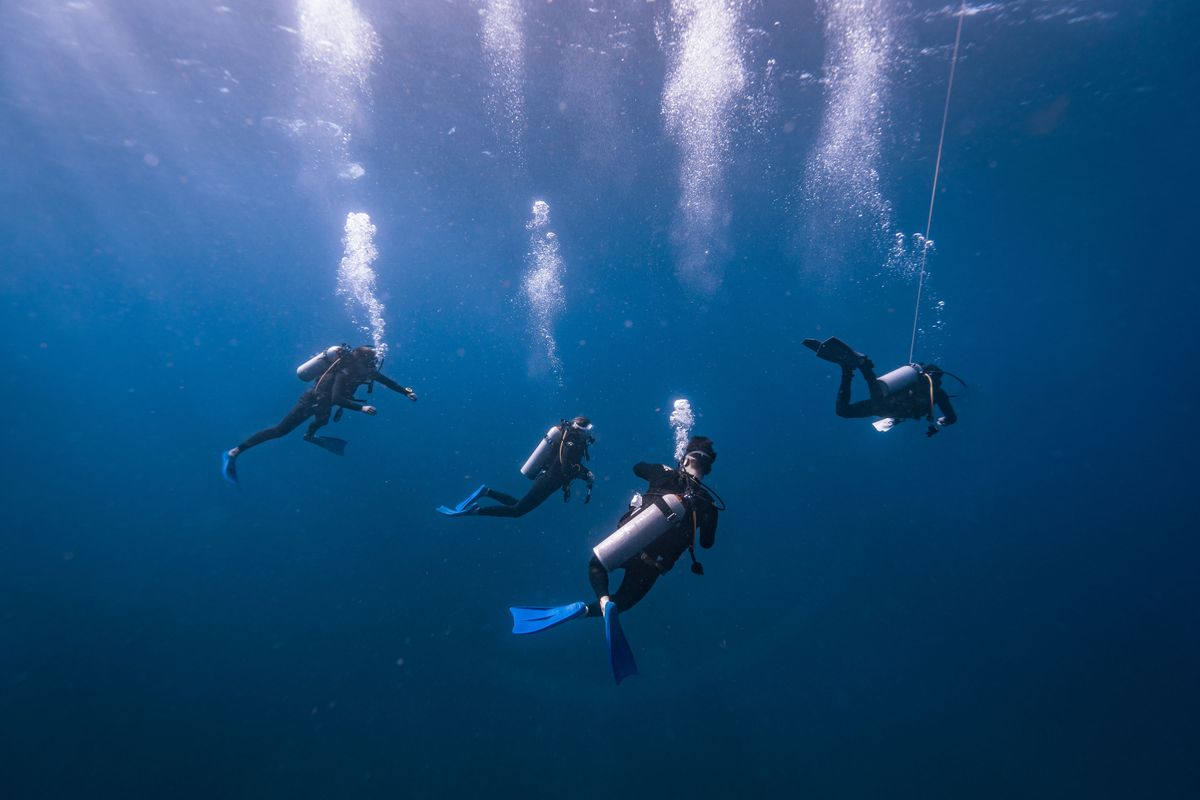
The Divemaster program adapted for younger candidates who meet the age requirements, introducing dive leadership and supervision skills appropriate to their experience level. It gives motivated young divers an early start on the path toward a professional diving future, building responsibility, confidence and a deeper understanding of how dives are planned and led. Under the guidance of a dive professional, junior candidates develop leadership qualities and refine their diving skills in a supportive, age-appropriate way. As they grow and gain experience, the abilities they develop here carry directly forward into the full Divemaster rating and beyond.
Specialties & Add-Ons: Tailor Your Diving
Add specialty certifications to your existing rating to expand where and how you dive. From going deeper and exploring wrecks to mastering buoyancy, photography or navigation, mix and match the specialties that match your interests.
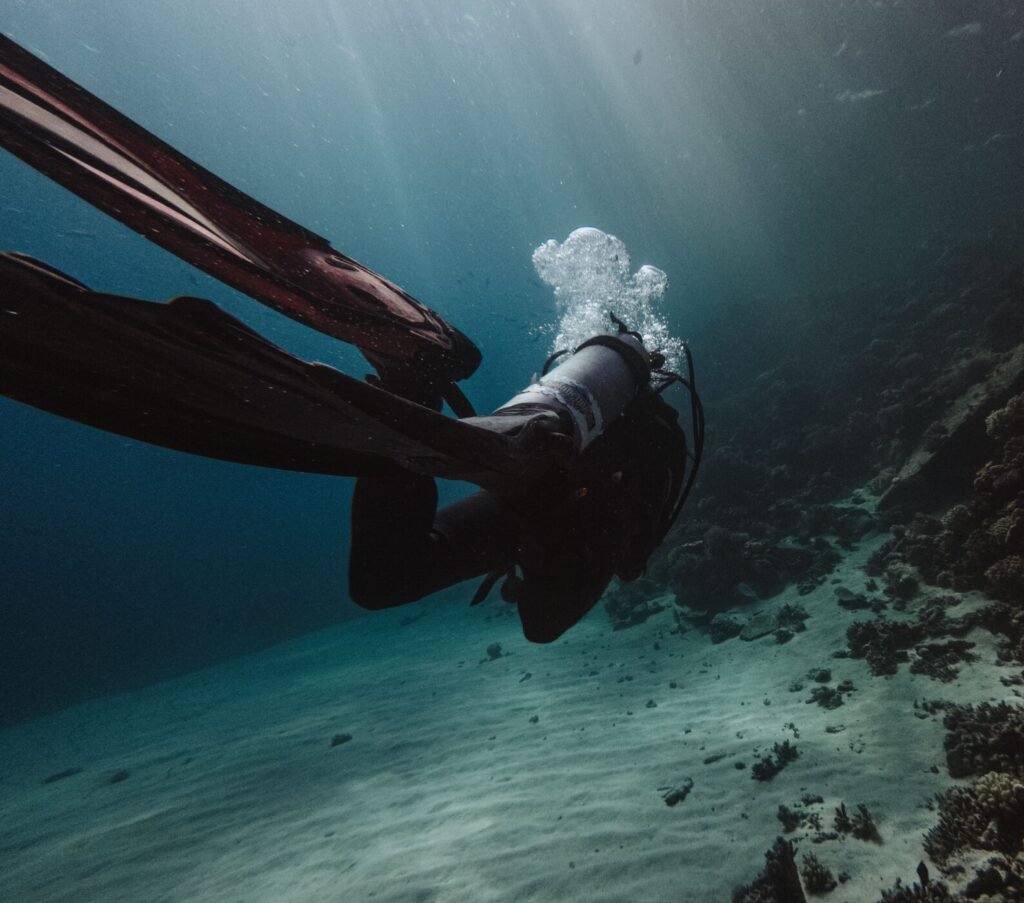
Learn to safely plan and execute dives beyond Open Water limits, from 18 metres/60 feet down to a maximum of 40 metres/130 feet. You’ll explore the deeper realm where dramatic wall dives, shipwrecks and unique marine life are found, opening up a whole new range of dive sites around the world. The course covers deep-diving equipment, gas management and dive planning, along with how depth affects your body, your gas supply and your no-decompression limits. Just as importantly, you’ll build the knowledge, awareness and comfort that responsible deep diving requires, so you can enjoy these dives confidently and within safe limits.
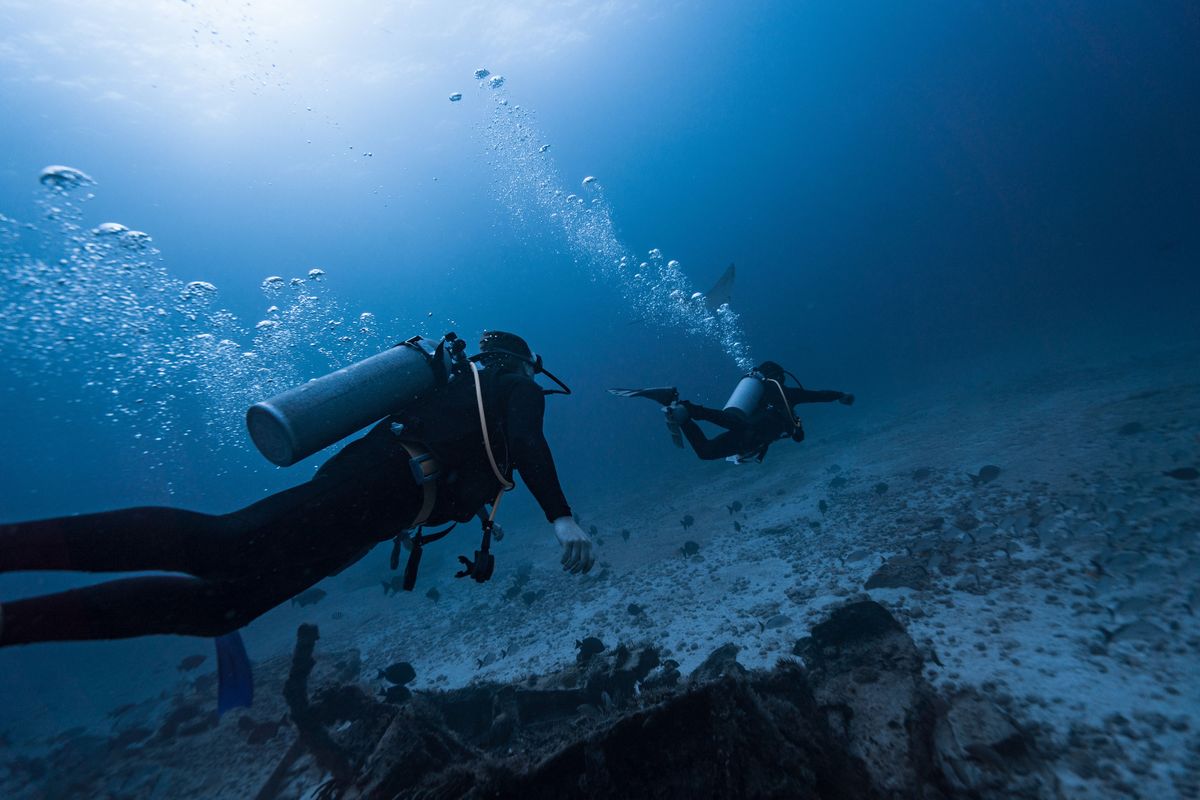
Master finding your way underwater using both natural references, like sand ripples, reef formations, depth contours and the direction of light, and precise compass navigation. You’ll learn to estimate distances, follow accurate headings, run patterns and combine techniques so you always know where you are and where you’re headed. These are among the most practical skills a diver can develop, giving you the confidence to return to favorite spots, locate specific features and reach your ideal exit point without long, tiring surface swims. Good navigation makes every dive smoother, safer and more enjoyable, and it’s a cornerstone skill for more advanced diving.
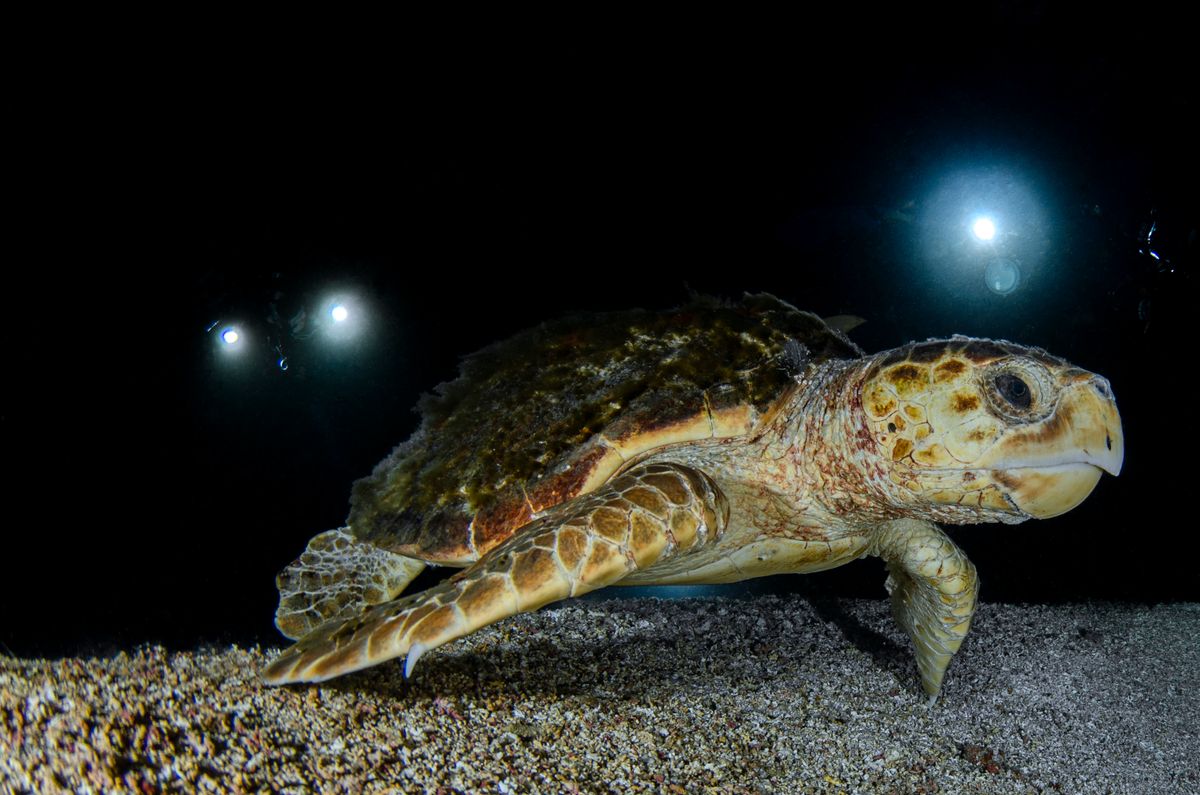
Discover a favorite of many divers, and a completely different side of the underwater world after dark. This course covers the procedures, techniques and potential hazards of diving at night or in low visibility, including proper dive light use and backup lighting, navigation, buddy communication with lights, and maintaining precise buoyancy when references are limited. You’ll learn how to plan and manage these dives so they feel calm and controlled rather than intimidating. The reward is spectacular: a reef transformed after sunset, with nocturnal marine life on the move and colors that seem to glow under your light.
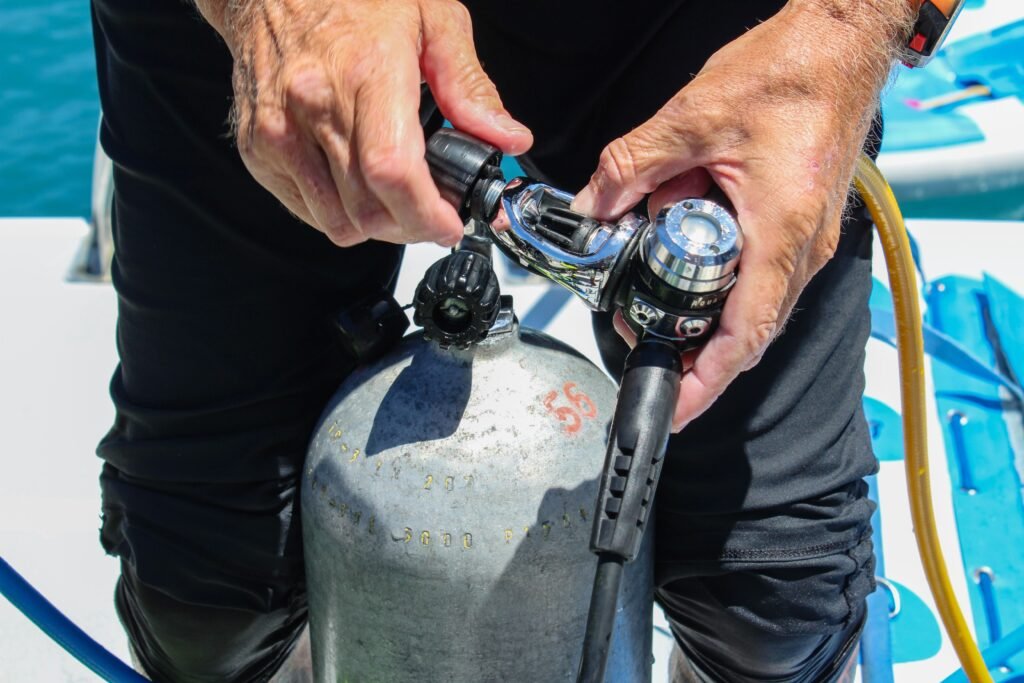
Learn to dive with enriched air nitrox in the 22 to 40 percent oxygen range to extend your no-decompression bottom time and get more out of every dive. Longer times underwater mean more to see and, for many divers, feeling fresher between dives on active trips. You’ll understand how nitrox affects your dive planning, learn to analyze your gas and set up your dive computer correctly, and become familiar with oxygen exposure and the depth limits that keep nitrox diving safe. Using your dive computer to plan and monitor nitrox dives, you’ll gain the skills to enjoy these benefits confidently on your very next dive.
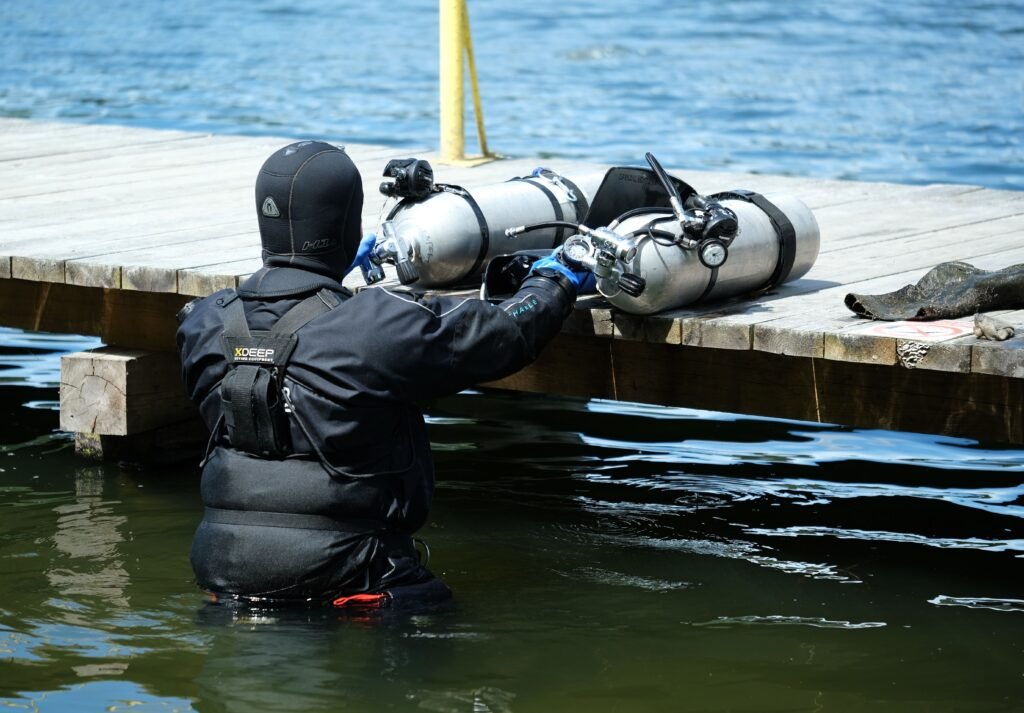
Learn to configure and dive with cylinders mounted at your sides rather than on your back, a setup that’s grown hugely popular with recreational divers. Sidemount improves your trim and streamlining in the water, makes it easy to reach and monitor your valves, and offers built-in gas redundancy for added peace of mind. You’ll master proper harness and cylinder rigging, refine your buoyancy and body position, and practice managing your gas supply across multiple tanks. Comfortable, balanced and flexible, sidemount is a great alternative to traditional back-mounted systems and a favorite for travel, and it lays the groundwork for more advanced diving down the road.
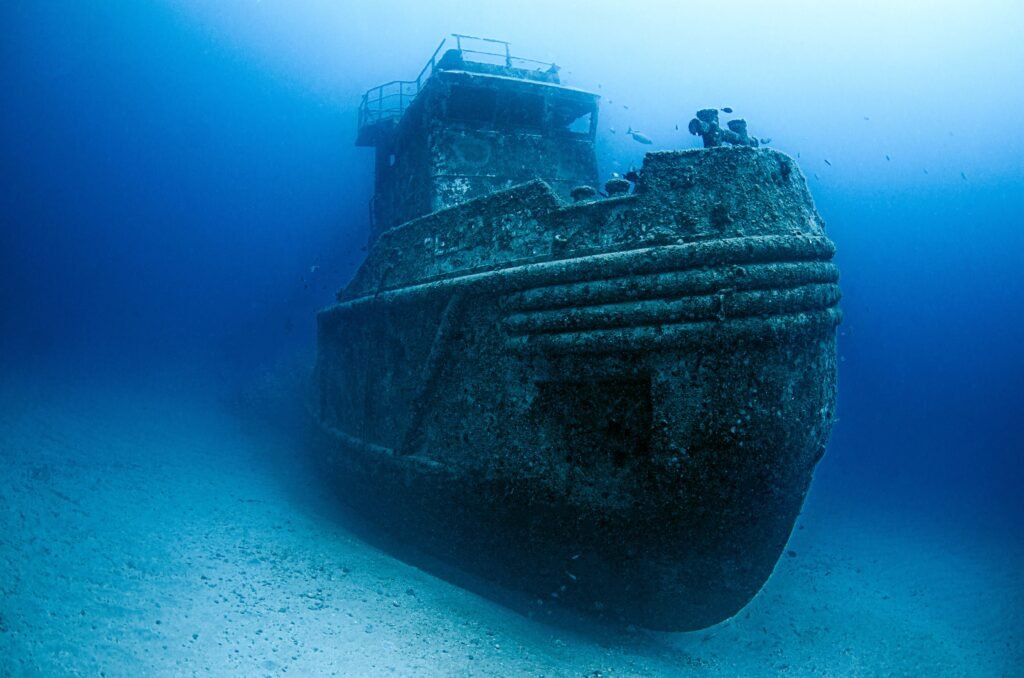
Explore the fascinating world of shipwrecks from the outside, with no penetration involved. Wrecks are living museums and thriving artificial reefs, and this course teaches you to dive them safely and responsibly while staying outside the structure. You’ll learn how to research and plan a wreck dive, navigate around large structures, manage hazards like sharp edges, entanglement and silt, and maintain excellent buoyancy to protect both yourself and the site. It’s the perfect introduction to wreck diving and a solid foundation before advancing to limited-penetration training later on.
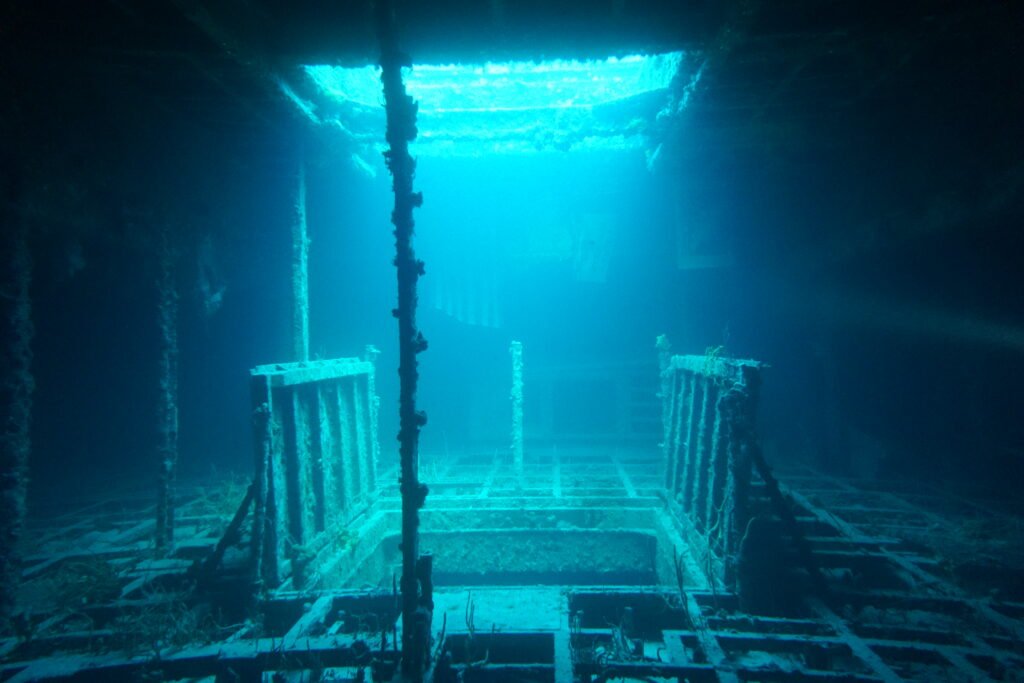
Builds on your wreck-diving skills to include limited penetration, defined as staying within the natural light zone of the entry point so an exit is always in sight. This version requires additional training dives and adds the specialized techniques needed to venture just inside a wreck while carefully managing the added risks. You’ll learn proper use of guidelines and reels, buddy procedures, light handling, and silt-avoidance finning to keep visibility clear, along with the planning and gas-management discipline that safe penetration demands. It’s an exciting step deeper into wreck exploration, opening up new perspectives while keeping safety and self-sufficiency front and center.
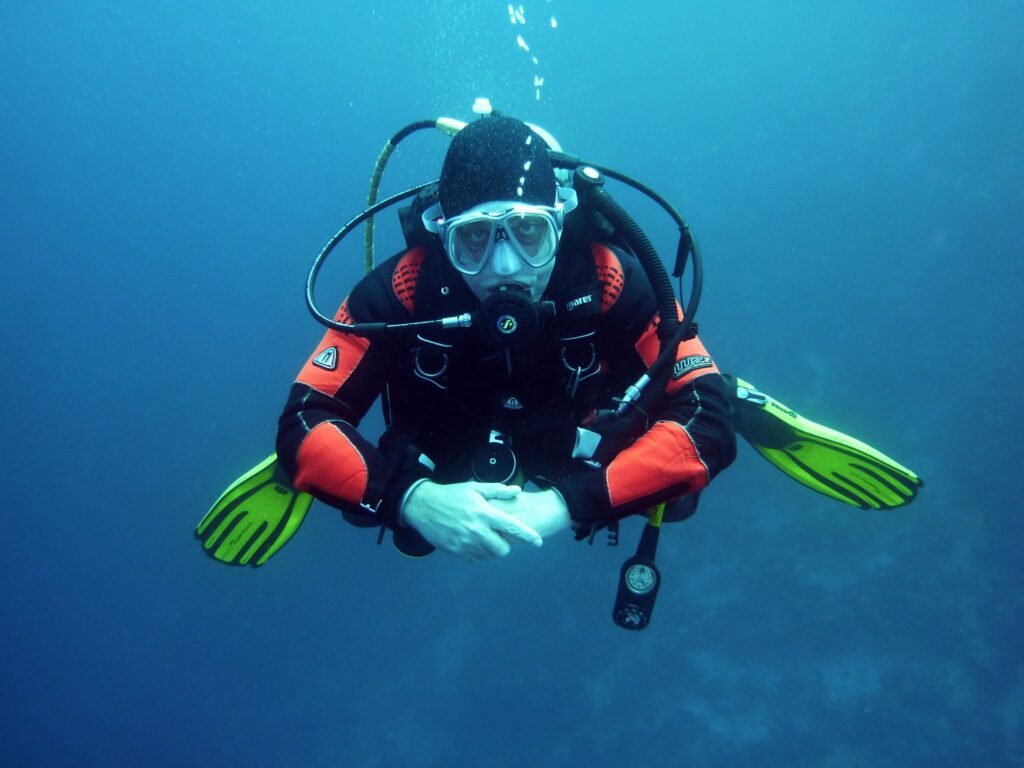
Develop the special skills and techniques to plan, execute and evaluate a search and recovery dive from start to finish. You’ll learn to choose and run effective search patterns based on conditions and the size of the object, and to use lift bags and proper knots to raise items safely and under control. The course also covers communication, navigation and the teamwork that makes these dives efficient and safe. Whether you’re recovering a lost outboard motor, a dropped camera or a treasured item, these practical, problem-solving skills are useful in a huge range of diving situations and make you a more capable, confident diver.
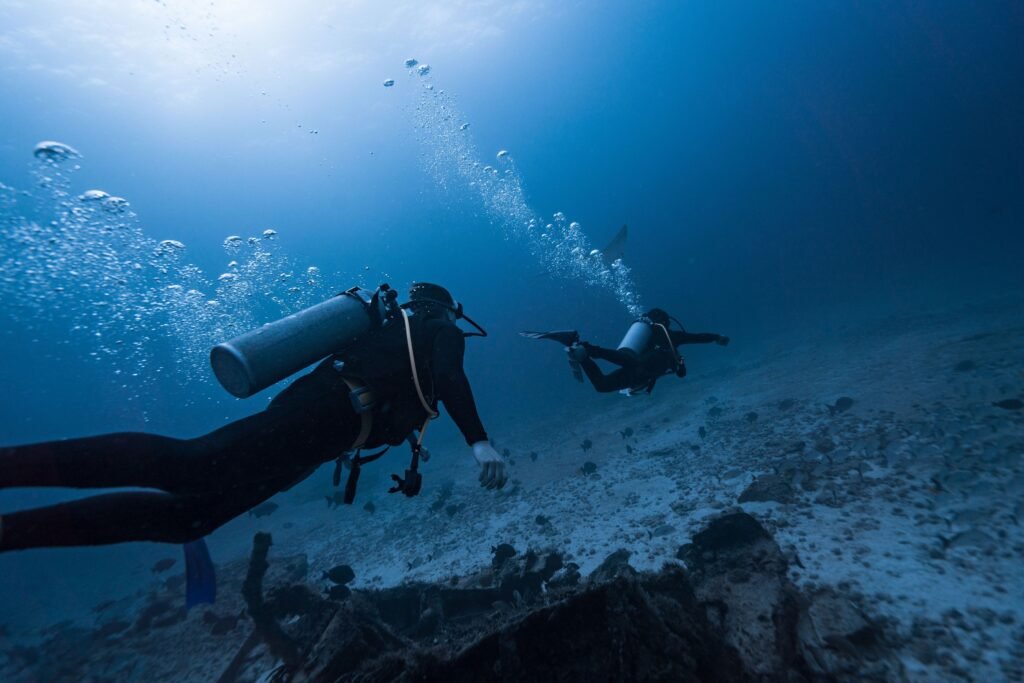
Learn to relax and let the current do the work on some of the most effortless, exhilarating dives out there. This course covers how to enter and exit moving water, how to stay with your buddy and group, what to do if you need to leave a current, and how to use signaling and surface marker buoys so boat crews can track you. You’ll also learn to read different types of drift conditions and manage buoyancy and positioning as the water moves you along. Once you’ve got the techniques down, drift diving feels like flying, letting you cover more reef with minimal effort while soaking in the scenery gliding past.
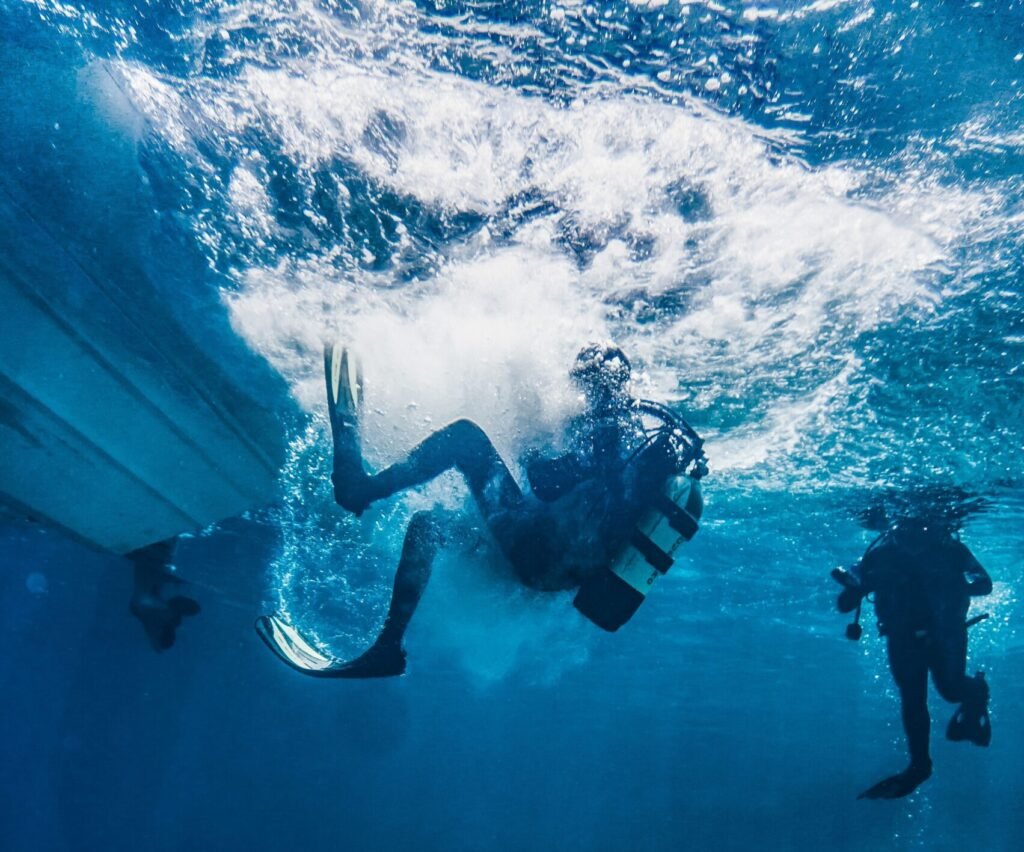
Boat diving happens everywhere, from inland lakes to tropical reefs, and knowing the ropes makes every trip smoother and safer. This course covers the practical how-tos of diving from boats, including boarding and stowing gear, boat-diving etiquette, and the different entry and exit techniques used from various vessels. You’ll also learn about safety procedures, communication with the crew, seasickness prevention and how to handle current and surface conditions around a boat. From small private craft and inflatables to large charter boats and multi-day liveaboards, you’ll gain the confidence to dive comfortably from almost any vessel and make the most of destinations you can only reach by boat.
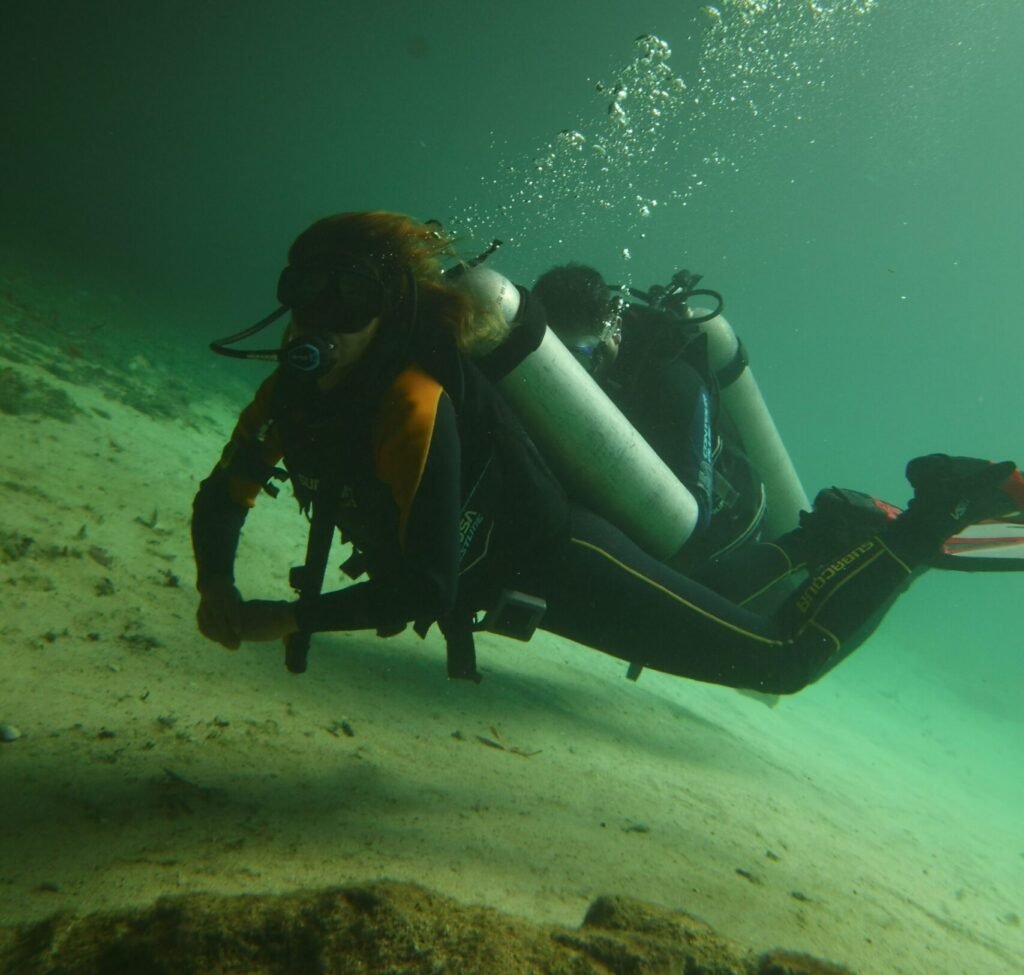
Refine one of the most important diving skills of all, the one that separates good divers from great ones. You’ll learn to achieve rock-solid, reliable buoyancy so you can hover motionless, nail your safety stops, and avoid the uncontrolled ascents and descents that compromise safety and comfort. Along the way you’ll fine-tune your weighting, trim and breathing control, and discover how efficient buoyancy reduces drag, conserves gas and energy, and lets you glide through the water with ease. The payoff is huge: less fatigue, better air consumption, and the ability to move through delicate environments without disturbing marine life or kicking up silt.
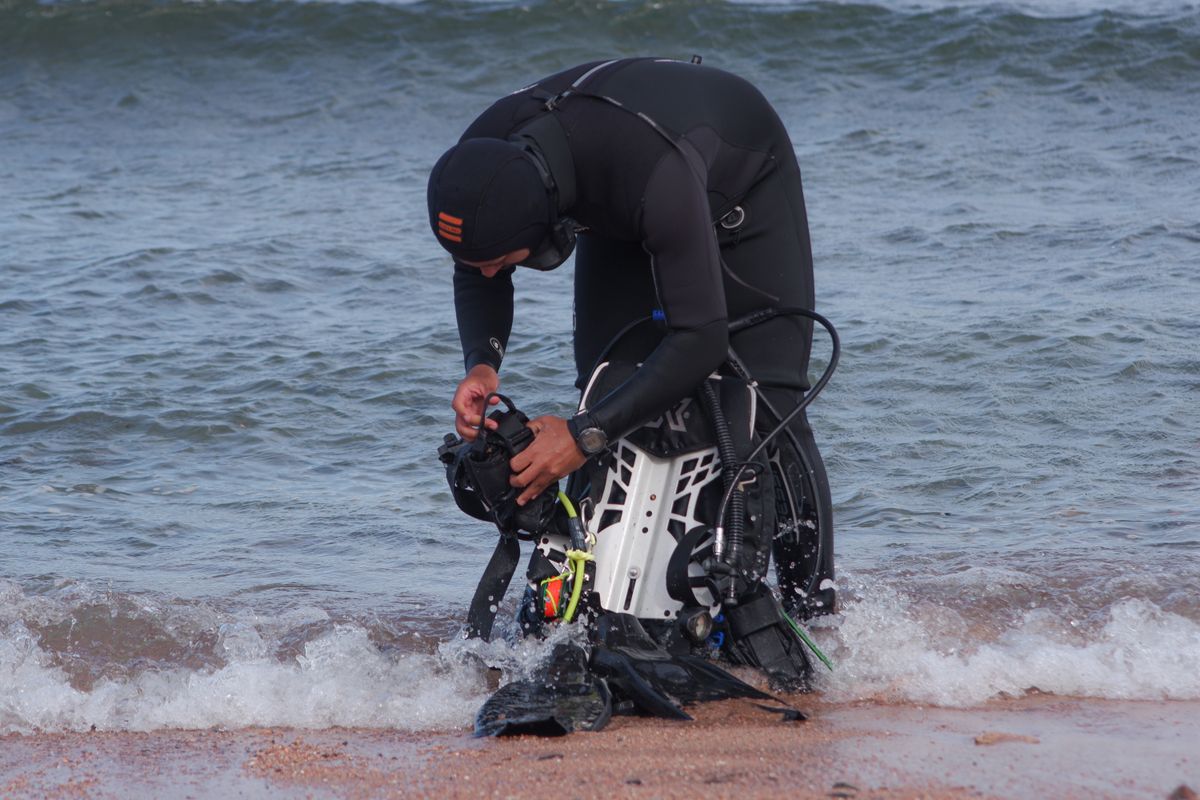
Expand your knowledge of your personal dive computer so you can get the most out of this essential piece of equipment. Ideal for divers trained on traditional dive tables, this course helps you understand exactly how your computer tracks depth, time and nitrogen loading, and how to use its features to plan and monitor dives with confidence. You’ll learn to navigate its menus, interpret its displays and alarms, and care for it properly so it keeps performing dive after dive. By the end you’ll trust your computer as a reliable dive-planning tool and understand the information it’s giving you at every stage of the dive.
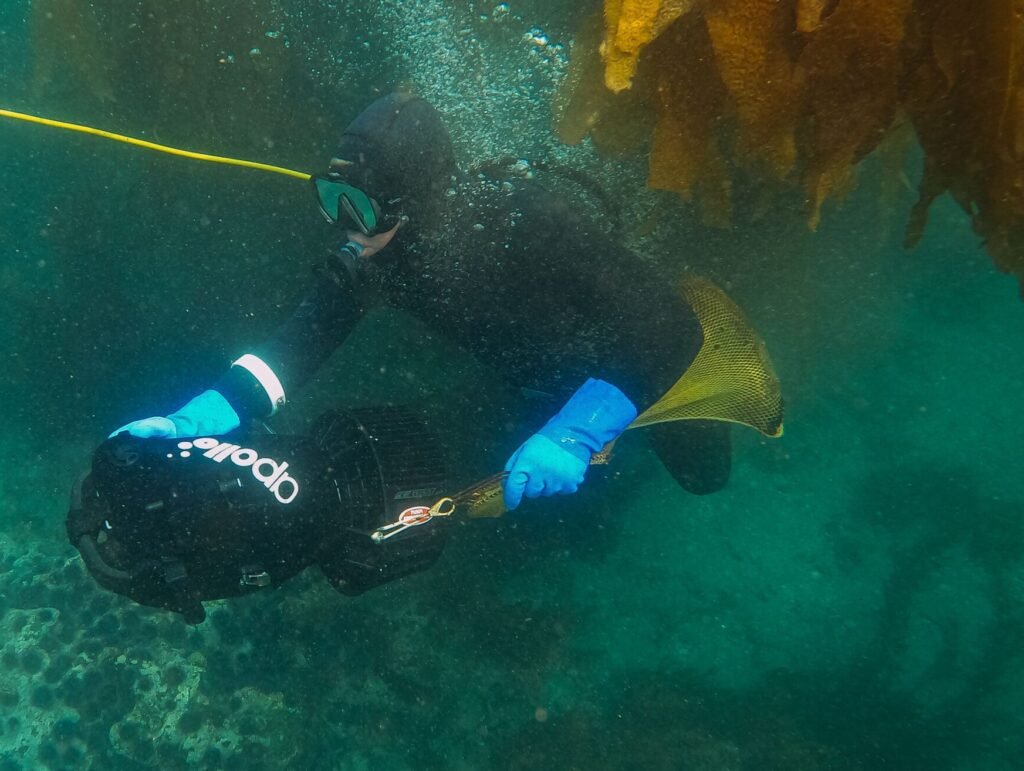
Learn to safely operate a diver propulsion vehicle, or underwater scooter, and add a whole new dimension of fun and range to your diving. A DPV lets you cover far more underwater terrain and reach sites that would be out of range on a single dive, all while conserving your energy and gas. You’ll learn how to handle, maintain and pre-dive check your DPV, plan dives that account for its speed and battery life, and manage the extra considerations that come with powered underwater travel, including buoyancy, buddy positioning and knowing your turn-around point. It’s one of the most exhilarating specialties out there and opens up exploration on a bigger scale.
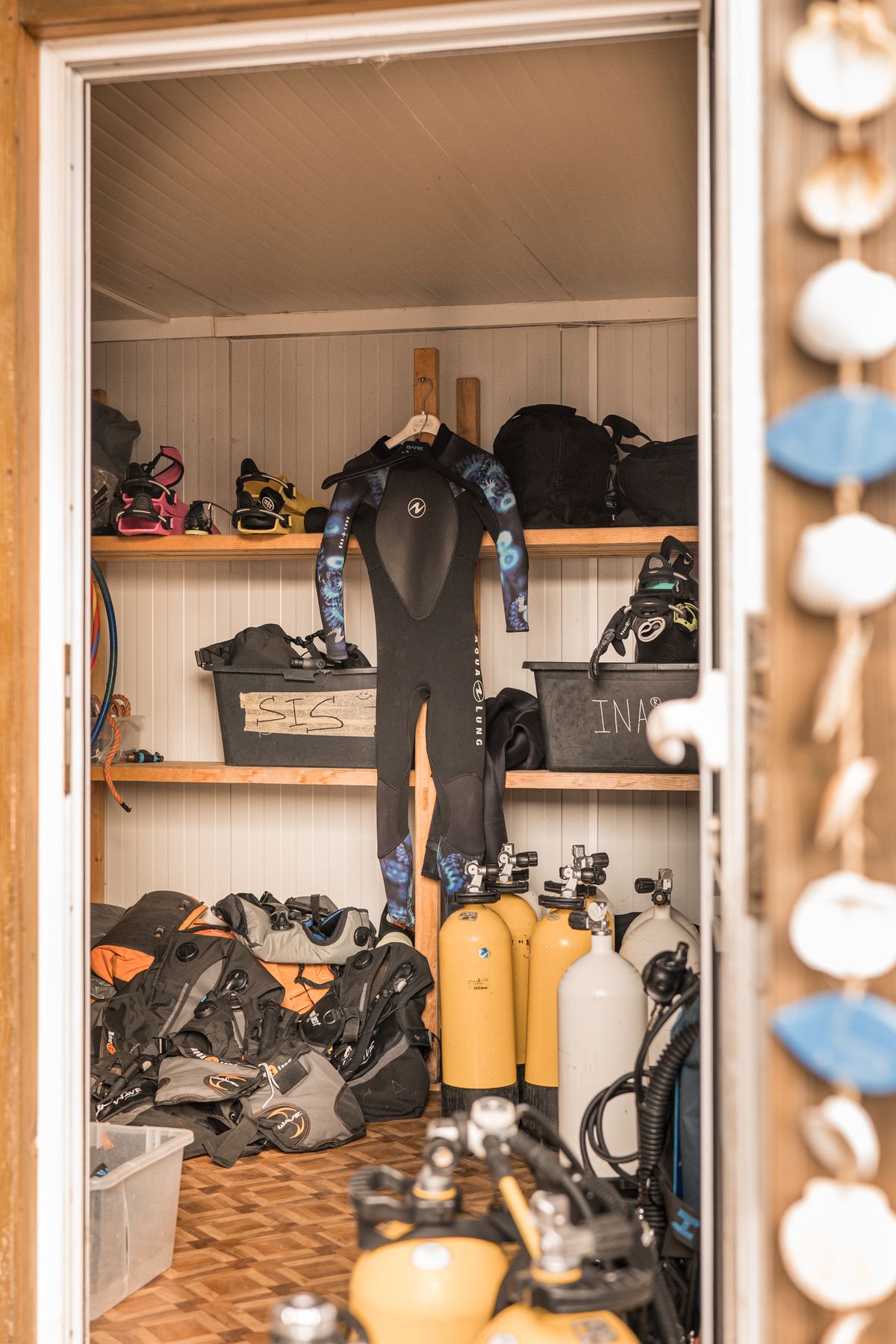
Take an in-depth look at how your dive gear actually works, so you can dive with more confidence and independence. This course covers the general care, routine maintenance and minor field repairs for the equipment you rely on, including exposure suits, BCDs, regulators, and other accessories. You’ll learn how each piece functions, how to spot wear and small problems before they become big ones, and how to handle simple adjustments and fixes yourself. Understanding your equipment means fewer surprises, longer-lasting gear and the know-how to keep everything reliable, whether you’re at home, at the dive site or traveling far from a dive shop.
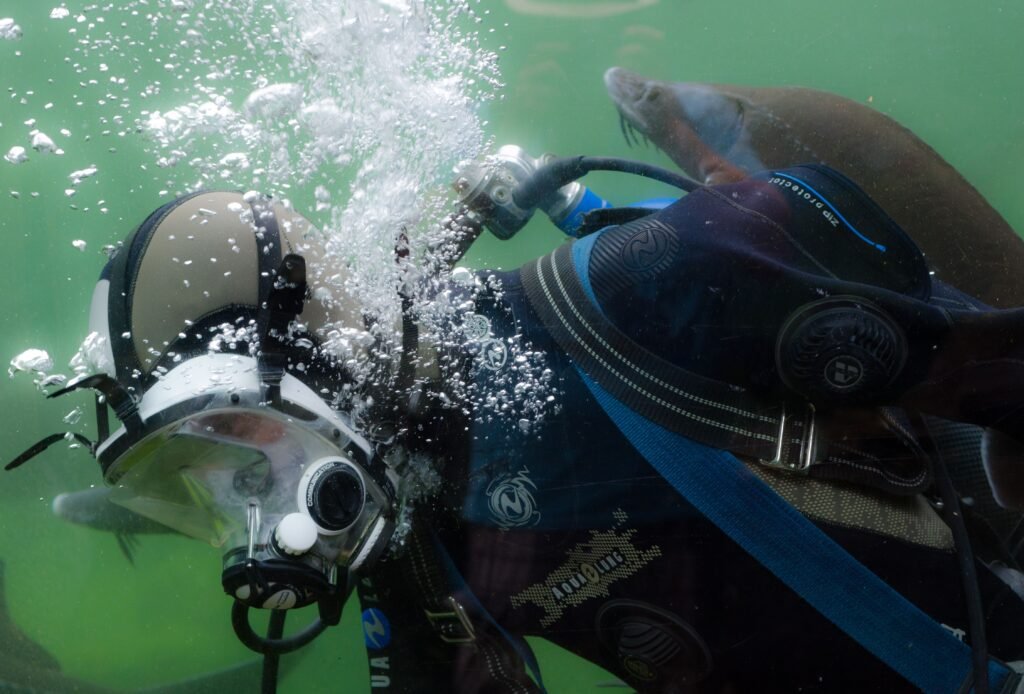
Discover the comfort and communication benefits of full face mask diving. A full face mask covers your eyes, nose and mouth, letting you breathe naturally and relax without holding a second stage in your mouth, which many divers find more comfortable, especially on longer dives. It also helps insulate your face in cold water and is a common starting point for underwater communication systems that let divers talk to one another. In this course you’ll learn to properly fit, use, clear and maintain a full face mask, along with the specific skills and safety procedures the system requires, so you can enjoy a more comfortable and connected diving experience.
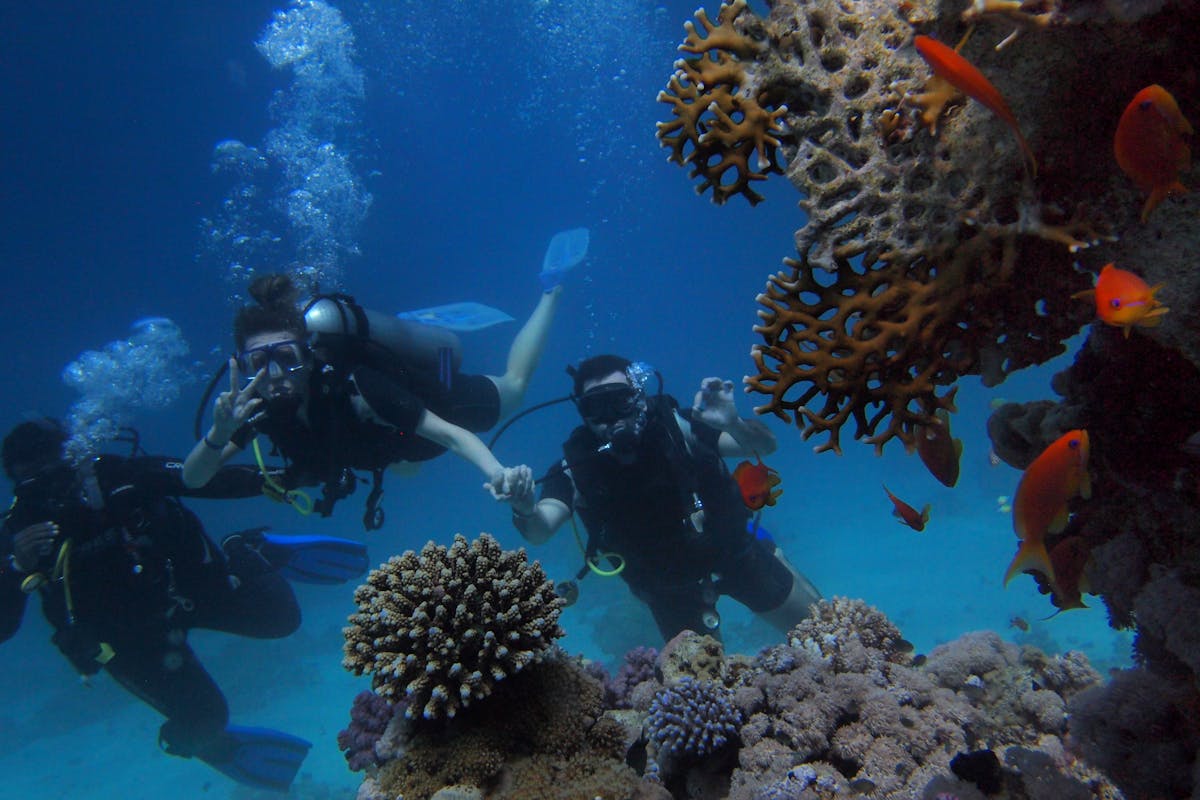
Deepen your understanding of the marine and freshwater environments you love to explore, and the vital role divers can play in protecting them. This course looks at how underwater ecosystems function, the relationships between the organisms that live there, and the pressures these fragile environments face today. You’ll come away with a greater appreciation for what you see on every dive and practical ways to reduce your own impact, from buoyancy and contact awareness to responsible interaction with marine life. It’s a great fit for divers who want their time underwater to support conservation and who care about keeping these places healthy for generations to come.
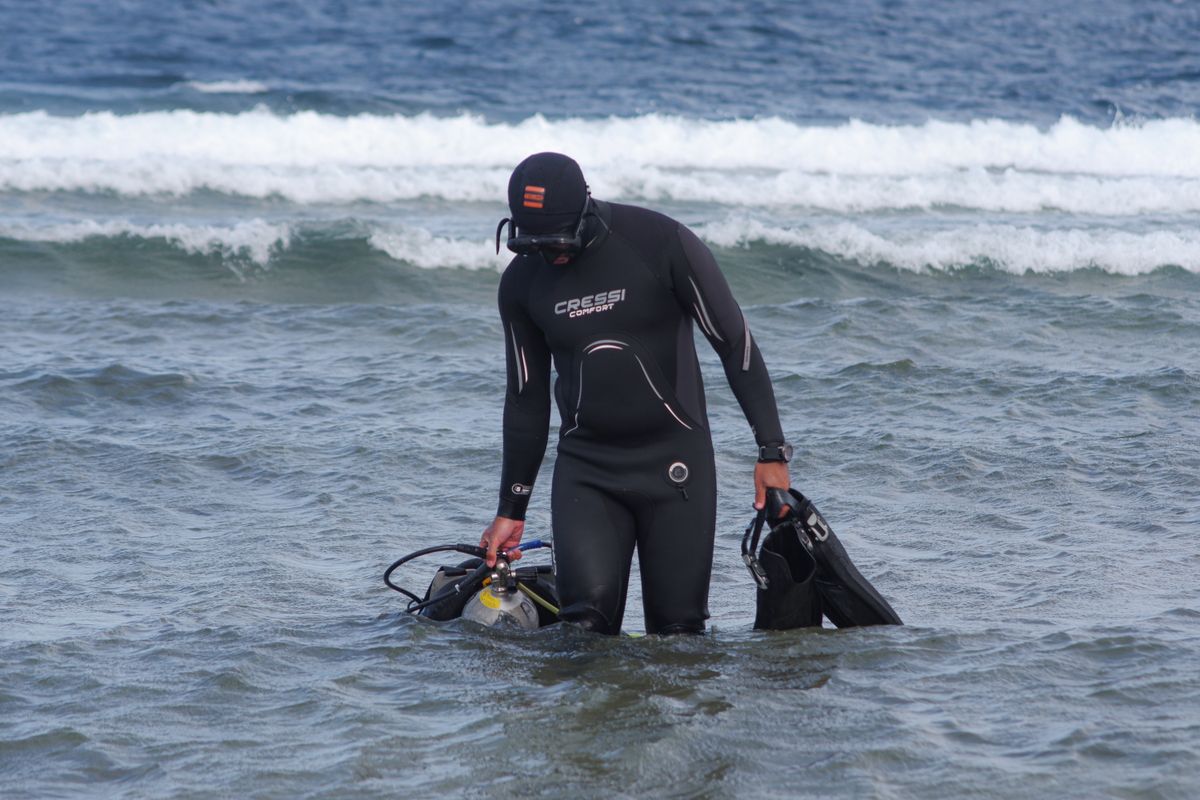
Master the art of getting in and out of the water from shore with confidence and ease. Shore diving is one of the most accessible and affordable ways to dive, but it comes with its own techniques, and this course focuses on handling different surf, entry and shore conditions safely. You’ll learn how to assess a site, time your entries and exits, manage gear and fins in the shallows, navigate to and from your entry point, and deal with waves, surge and changing footing. Many of the world’s great dive sites are reachable straight from the beach with the right skills, so this specialty unlocks a huge amount of independent, spontaneous diving.
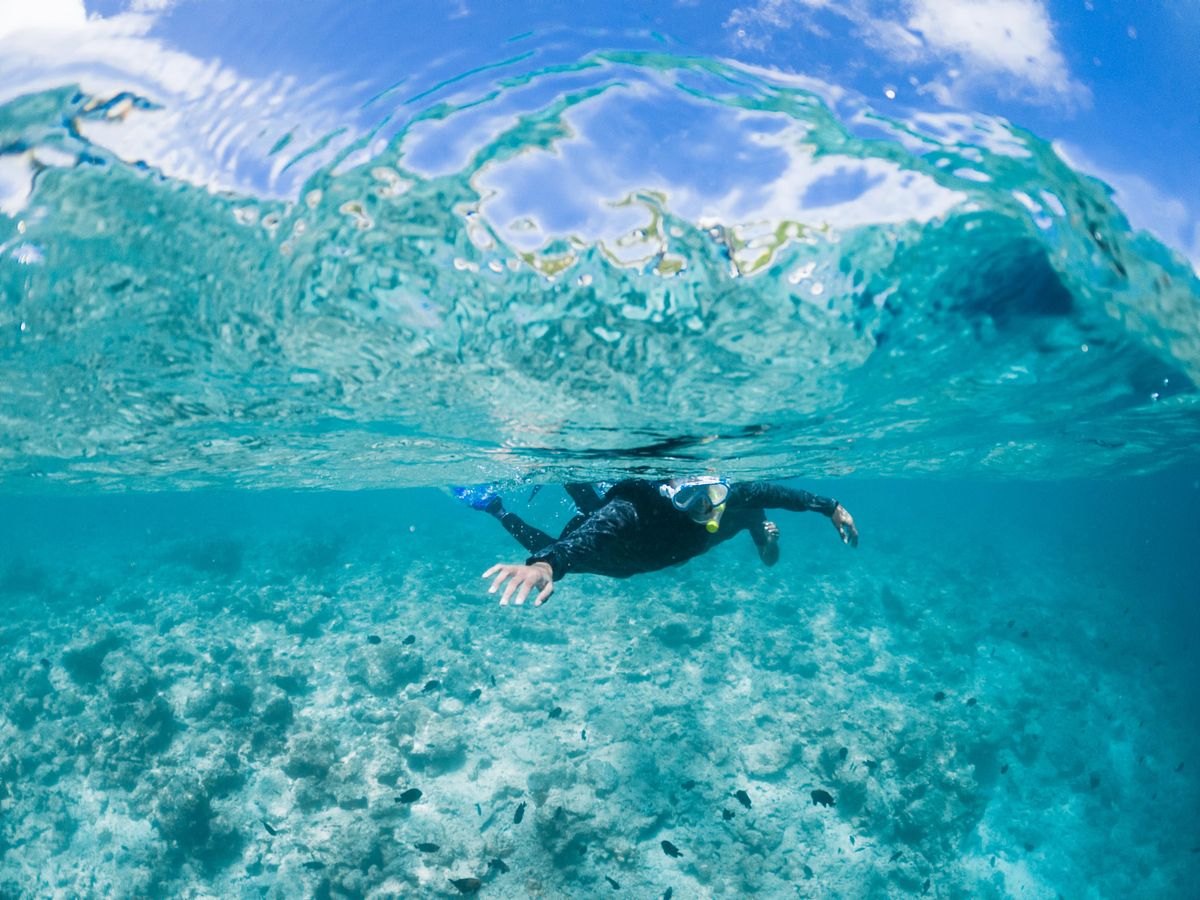
Learn responsible techniques for hunting and collecting marine life, with a strong emphasis on prudent, conservative and sustainable practices. This course covers the equipment and methods used for gathering game underwater, along with the safety skills and situational awareness these activities require. Just as importantly, you’ll learn to understand and respect the local regulations, seasons, size and bag limits, and conservation principles that apply to underwater hunting and collection. Done ethically and legally, it can be a rewarding way to enjoy the ocean, and this course helps ensure you do it safely and with care for the marine environment.
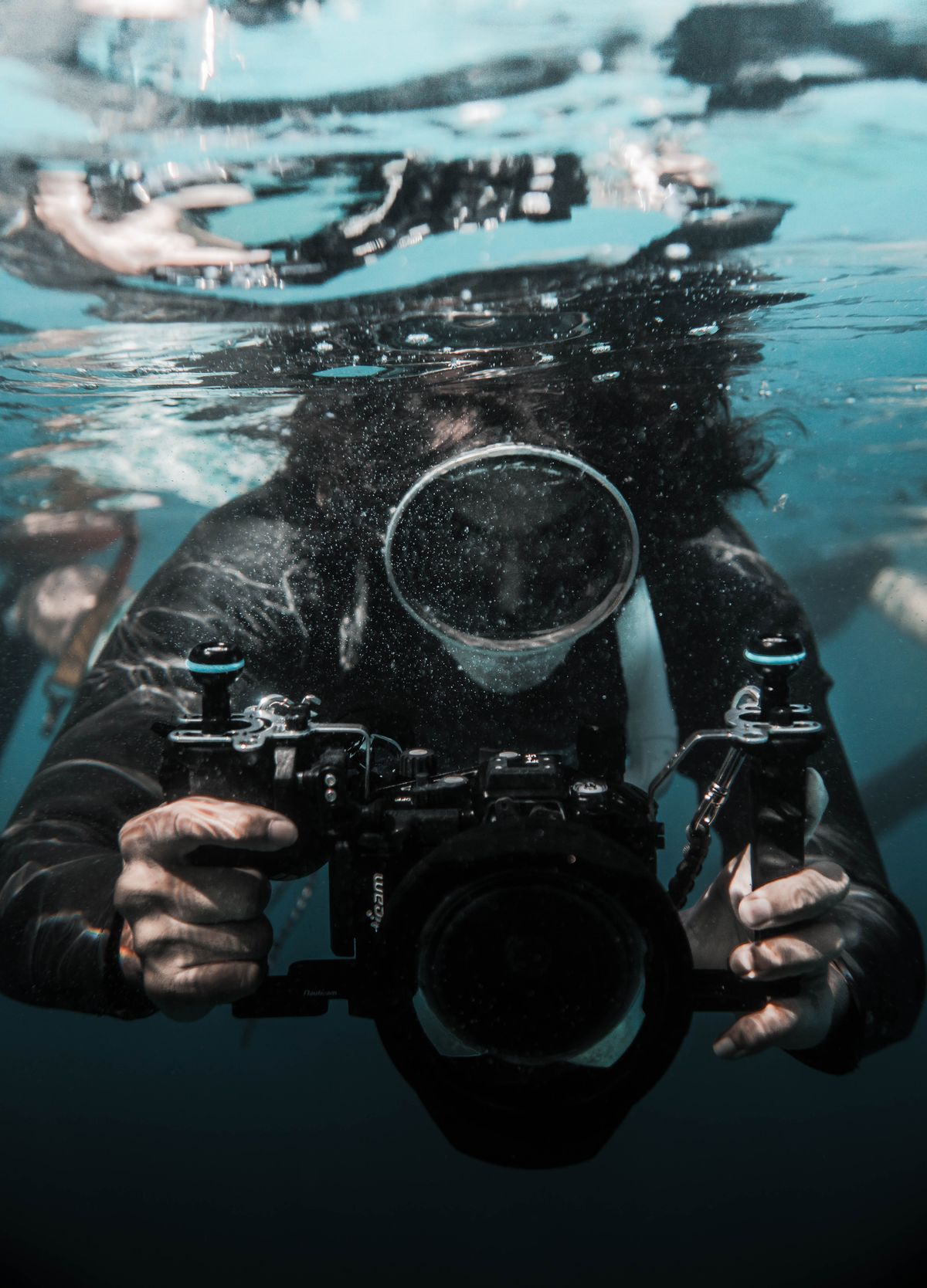
Capture the beauty of the underwater world and bring your dives home to share. This course introduces the equipment, techniques and diving practices that lead to great underwater images, from choosing and setting up a camera and housing to understanding how light, color and water behave at depth. You’ll learn practical skills like getting close to your subject, composing your shots, using natural light and strobes, and maintaining the excellent buoyancy that good photography demands, without disturbing the environment. Whether you shoot with a compact camera or a full rig, you’ll gain the fundamentals to take photos you’ll be proud to show off.
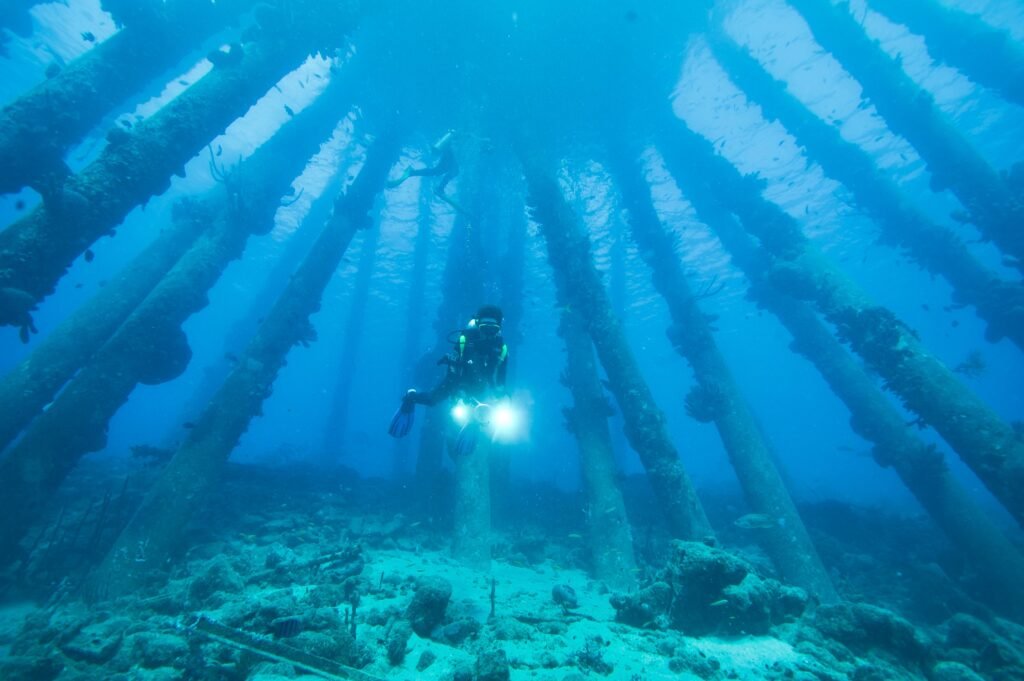
Learn to plan and shoot underwater video safely, capturing the sights and motion of your dives to relive and share for years to come. Video adds a dynamic, storytelling dimension that still photos can’t, and this course introduces the equipment, techniques and procedures that make it fun and approachable. You’ll cover camera and housing setup, smooth camera movement and steady shooting, framing and lighting your subjects, and simple editing to turn your footage into a story. Throughout, you’ll practice the buoyancy and dive-management skills that keep your video steady and your diving safe, so you can focus on the moment while creating footage worth watching again and again.